Home / Guides / Plants by growth form / Fire-resistant shrubs: hedges, foundations, Zone 1
Fire-resistant shrubs: hedges, foundations, Zone 1

A fire-resistant shrub, on the published lists this site records, is one the extension services and fire agencies put on their recommended side: kinnikinnick by 21 independent lists, red-osier dogwood by 18, hardy shrub rose by 15. Juniper is the shrub the lists condemn most, fifteen of them. Common boxwood is on the recommended side; oleander and Oregon grape are disputed. Whatever the rating, no shrub belongs against the wall.
You are looking at the foundation bed and the hedge along the property line: the plants closest to the siding, under the eave, next to the deck. Shrubs are where the fire-resistance question is asked most, because they are the fuel that sits where embers land and the ladder that carries fire into a tree.
Why it matters
A shrub under a limb is a ladder; a hedge against the wall is a wick. The agencies answer with distance before species: IBHS Wildfire Prepared clears the first five feet of vegetation, Oregon’s State Fire Marshal wants plants five feet off the structure and names junipers as the ones to pull, and Maryland DNR tells homeowners to keep evergreen shrubs and ornamental grasses off the house and everything else four feet away. Crown and shrub spacing has the published distances for the next band out. The rating on this page decides what goes there, not whether the band exists.
How the rating is made
Every shrub record carries the verdict of each list that names it, in that list’s own words. The record is fire-resistant when the balance of independent primary evidence recommends it, keep-away when the balance condemns it, a conflict when the lists disagree, and a candidate when no list has spoken. Shrubs are the largest form in the directory, 1,227 records, and the form with the most disputes: rosemary is the worked example of lists that read the same plant differently. The roll orders records by how many independent lists agree.
What the published lists say about shrubs
459 fire-resistant 125 keep away 35 documented conflict 608 awaiting a directional source
Rated fire-resistant by the most independent lists
-
 kinnikinnick Arctostaphylos uva-ursi Fire-resistant
 -
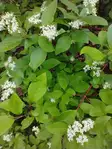 redosier dogwood Cornus sericea Fire-resistant
 -
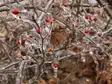 rose Rosa Fire-resistant
 -
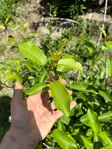 chokecherry Prunus virginiana Fire-resistant
 -
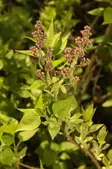 common lilac Syringa vulgaris Fire-resistant
 -
 creeping barberry Berberis repens Fire-resistant
 -
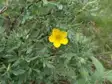 shrubby cinquefoil Dasiphora fruticosa Fire-resistant
 -
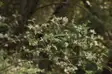 mock orange Philadelphus Fire-resistant
 -
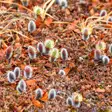 willow Salix Fire-resistant
 -
 common winterberry Ilex verticillata Fire-resistant
 -
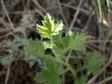 currant Ribes Fire-resistant
 -
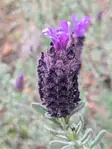 lavender Lavandula Fire-resistant
 -
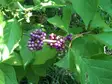 American beautyberry Callicarpa americana Fire-resistant
 -
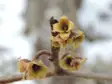 American witchhazel Hamamelis virginiana Fire-resistant
 -
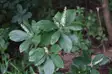 coastal sweetpepperbush Clethra alnifolia Fire-resistant
 -
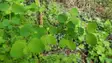 common snowberry Symphoricarpos albus Fire-resistant
 -
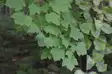 Rocky Mountain maple Acer glabrum Fire-resistant
 -
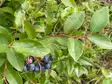 highbush blueberry Vaccinium corymbosum Fire-resistant
 -
 French hydrangea Hydrangea macrophylla Fire-resistant
 -
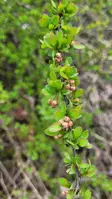 Japanese barberry Berberis thunbergi Fire-resistant
 -
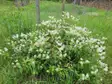 New Jersey tea Ceanothus americanus Fire-resistant
 -
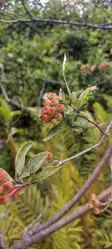 red chokeberry Aronia arbutifolia Fire-resistant
 -
 rose of Sharon Hibiscus syriacus Fire-resistant
 -
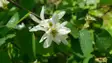 serviceberry Amelanchier Fire-resistant
 -
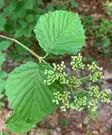 southern arrowwood Viburnum dentatum Fire-resistant
Shrubs the lists say to keep away from structures
Adenocarpus , alderleaf mountain mahogany , Anarthrophyllum rigidum , angel's-trumpet , Asparagus albus , autumn olive , bayberry , Beale's barberry , big sagebrush , black huckleberry , blue sage , bottlebrush and 113 more .
Where the lists disagree
antelope bitterbrush , arborvitae , bottlebrush , Cape jasmine , Caryopteris x clandonensis , Chinese abelia , crimson bottlebrush , dog rose , Florida hopbush , French lavender , Guelder Rose , heather and 23 more .
What people mix up
- Juniper is a fire-resistant evergreen. Fifteen independent lists condemn the genus and Oregon’s fire marshal names it for removal. Juniper or redcedar separates the plant from its look-alike.
- A disputed plant is a safe plant. A conflict means the lists disagree; the record shows both sides. Oregon grape, oleander, blue-mist spirea and Russian sage are conflicts here, not recommendations.
- Boxwood is a fire risk. Common boxwood is on the recommended side of its lists. Its placement rule is the same as every shrub’s: not against the wall, and Maryland says not any evergreen there.
- Fire-resistant means fireproof. It does not; the lists rate a maintained, watered plant.
How to check a shrub
- Open the record; the chips are the independent lists and their direction, and the evidence table quotes each one.
- Check the range. The state table below and the Grow pages narrow the roll to shrubs documented for a place.
- Read a candidate as “no list has spoken”, not as safe.
- Then place it: five feet off the wall and attached decks, not under a low limb, spaced per the agency whose zone bands govern the lot, and watered.
Limits
This page does not decide spacing, pruning or irrigation. The lists are regional and disagree with each other; a conflict is published as one. The site issues no rating of its own, and a shrub’s status here is a computation over the lists named on its record, never a judgement made on this page.
Plant records this page rests on
- kinnikinnick Arctostaphylos uva-ursi Fire-resistant
- redosier dogwood Cornus sericea Fire-resistant
- common lilac Syringa vulgaris Fire-resistant
-
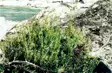 common box Buxus sempervirens Fire-resistant
 -
 juniper Juniperus spp. Keep away
 -
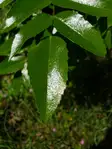 hollyleaved barberry Mahonia aquifolium Documented conflict
 -
 oleander Nerium oleander Documented conflict
 -
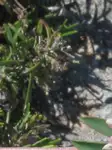 Rosemary Salvia rosmarinus Documented conflict
Questions
What shrubs are fire resistant?
By agreement across the published lists this site records, kinnikinnick (21 independent lists), red-osier dogwood (18), hardy shrub rose (15), creeping holly, shrubby cinquefoil, chokecherry and common lilac (14 each). The roll above holds the rest with the lists behind each, and the state table shows which have a documented range near you.
Are boxwood shrubs fire resistant?
Common boxwood, Buxus sempervirens, is rated fire-resistant by the balance of lists on its record. The genus record, Buxus, is a candidate awaiting a directional source. Rated or not, no shrub belongs in the first five feet, and Maryland DNR tells homeowners to keep evergreen shrubs away from the house.
Are junipers a fire hazard?
The lists say so more often than for any other shrub. Fifteen independent lists condemn juniper as a genus, and Oregon's State Fire Marshal names junipers as the flammable plants to remove from the five-foot buffer. The juniper genus hub shows the evidence species by species, and the look-alike guide separates juniper from eastern redcedar.
What are some fire-resistant bushes I can grow in my yard?
Start from the state table on this page or the Grow page for your state, which narrow the roll to shrubs with a documented range there. Then open each record and read the lists. Plant from five feet out, spaced so no shrub sits under a low limb, and keep it watered.