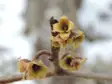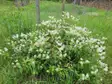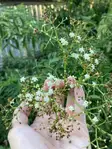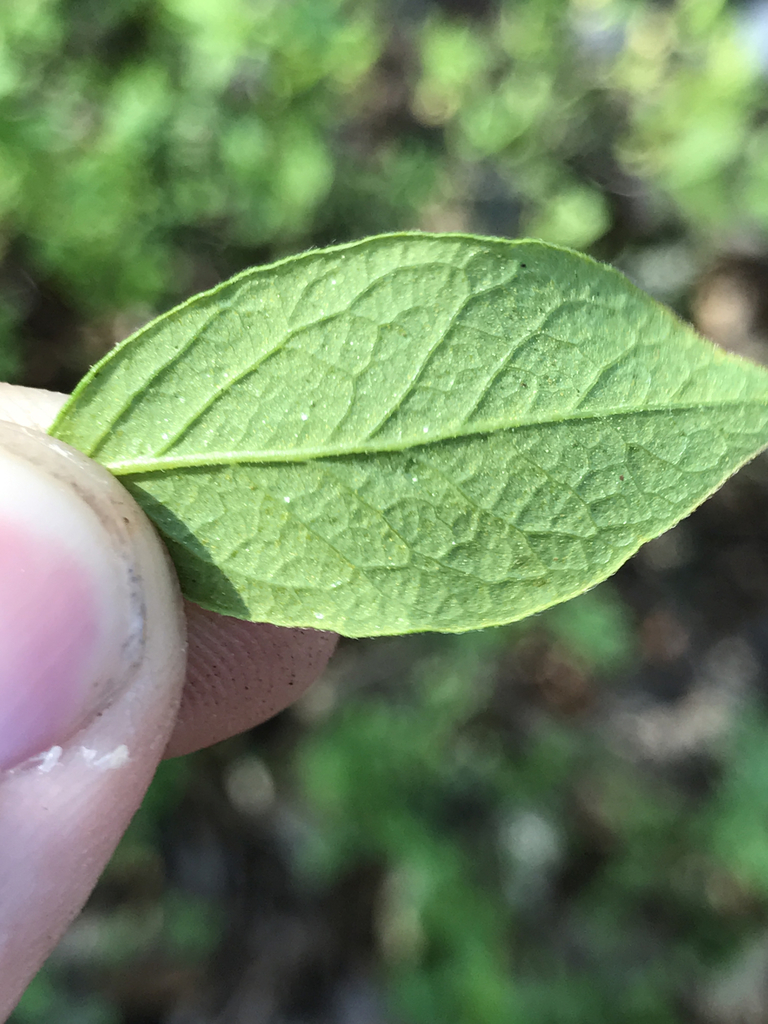
black huckleberry
Gaylussacia baccata
A genus split is not a placement verdict.
Is this one for your yard?
Enter your ZIP to see whether this is legal to plant in your state, and whether it survives your winter.
Gaylussacia baccata carries a keep away recommendation. On Gaylussacia baccata, limited evidence is the separate depth label. They answer different questions on Gaylussacia baccata. Black huckleberry is the vernacular name attached to Gaylussacia baccata.
Gaylussacia baccata still has Combustion characteristics of north-eastern USA vegetation tested in the cone calorimeter against cured test condition against same form alternatives after that lead pair. Gaylussacia baccata does not pick only one of those facts on Gaylussacia baccata.
Open the evidence table for Gaylussacia baccata. Keep Gaylussacia baccata in those jumps; do not copy the rows.
keep away recommendation and limited evidence stay co-cited on Gaylussacia baccata so baccata is not flattened to a banner word.
- Form
- shrub
- Mature height
- ~4 ft
- Water need
- low
- Rated in
- Global; north-eastern and mid-Atlantic United States