Current native
4
exact source areas
Home / Plants / Grow / Native Hop
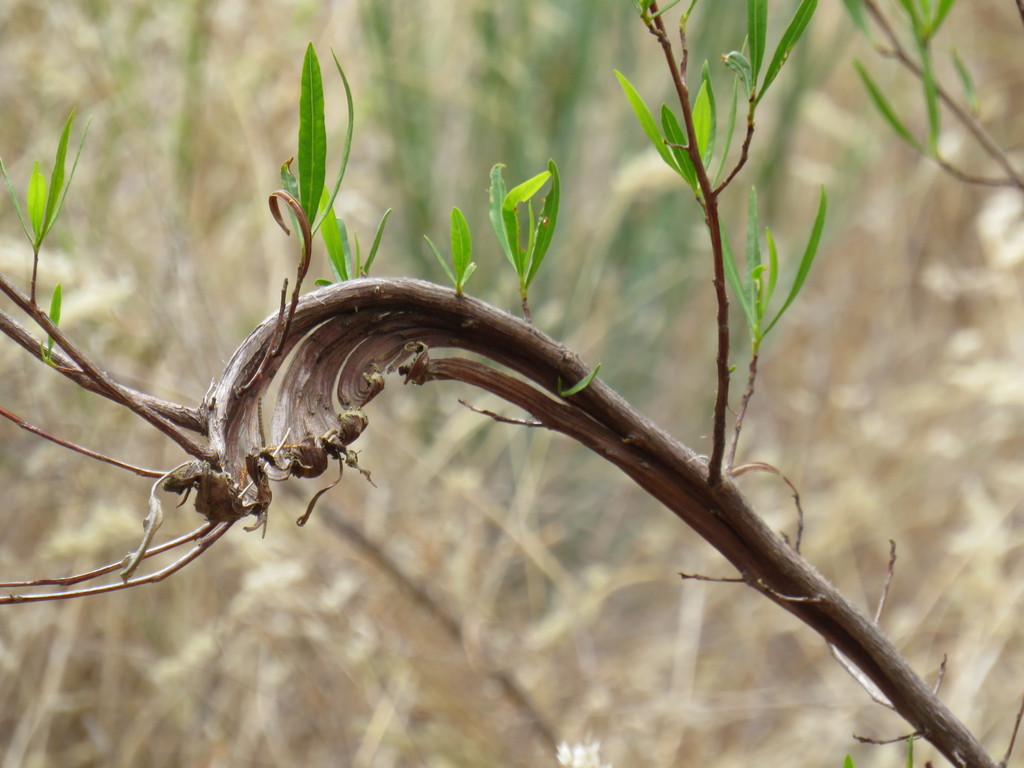
Dodonaea viscosa
Your local evidence lens
A genus split is not a placement verdict. Set a ZIP to read the local documented split.
The status above is computed from the cited rows below: independent recommendations can support a fire-resistant result, an avoid row can produce keep-away, and disagreement stays visible as conflict. Placement notes preserve each source’s own scheme rather than translating unlike rules into one scale. This is evidence about a plant, not permission to plant it in every part of the defensible space; Zone 0 remains noncombustible.
These are exact U.S. botanical-area records from the cited range source. Native and introduced describe biogeographic relationship, not fire performance or planting approval. Doubtful and extinct rows stay visible but do not count as current presence.
Current native
exact source areas
Current introduced
exact source area
Qualified
doubtful or extinct source rows
USDA PLANTS Database — Plant Characteristics
Minimum 8b · no upper limit documented
Low Flammability Plants directory
“Low/moderate flammability”
Low/moderate flammability classification.
Fire-Resistant Plants Common to Marin County
“listed as fire-resistant”
Fire Safe Marin lists this taxon among fire-resistant plants common to Marin County.
Fire Resisting Garden Plants for the Urban Fringe and Rural Areas
“High Flammability”
A quantitative assessment of shoot flammability for 60 tree and shrub species
“Moderate flammability category (Fig. 2)”
Shoot category from the paper's cluster analysis; samples were air-dried for 24 hours before testing.
FLAMITS: FLAMmability plant traiTS database
“ignition frequency (%): 90.5”
FLAMITS record 1382; Ignitability measurement; plant part branches; fuel all; predrying yes; device grill; site Cui2020a-1; sampling ND. Primary study Cui2020a: Cui, X., Paterson, A. M., Wyse, S. V., Alam, M. A., Maurin, K. J. L., Pieper, R., ... Curran, T. J. (2020a). Shoot flammability of vascular plants is phylogenetically conserved and related to habitat fire-proneness and growth form. Nature Plants, 6, 355-359.
“maximum sample temperature (°C): 408.6”
FLAMITS record 1576; Combustibility measurement; plant part branches; fuel all; predrying yes; device grill; site Cui2020a-1; sampling ND. Primary study Cui2020a: Cui, X., Paterson, A. M., Wyse, S. V., Alam, M. A., Maurin, K. J. L., Pieper, R., ... Curran, T. J. (2020a). Shoot flammability of vascular plants is phylogenetically conserved and related to habitat fire-proneness and growth form. Nature Plants, 6, 355-359.
“burning duration (s): 9.3”
FLAMITS record 1770; Sustainability measurement; plant part branches; fuel all; predrying yes; device grill; site Cui2020a-1; sampling ND. Primary study Cui2020a: Cui, X., Paterson, A. M., Wyse, S. V., Alam, M. A., Maurin, K. J. L., Pieper, R., ... Curran, T. J. (2020a). Shoot flammability of vascular plants is phylogenetically conserved and related to habitat fire-proneness and growth form. Nature Plants, 6, 355-359.
“estimated burnt biomass (%): 29.5”
FLAMITS record 1964; Consumability measurement; plant part branches; fuel all; predrying yes; device grill; site Cui2020a-1; sampling ND. Primary study Cui2020a: Cui, X., Paterson, A. M., Wyse, S. V., Alam, M. A., Maurin, K. J. L., Pieper, R., ... Curran, T. J. (2020a). Shoot flammability of vascular plants is phylogenetically conserved and related to habitat fire-proneness and growth form. Nature Plants, 6, 355-359.
“calorific value (kcal/kg): 5219.64”
FLAMITS record 2924; Combustibility measurement; plant part leaves; fuel live; predrying yes; device calorimeter; site Dickinson1985-1; sampling winter. Primary study Dickinson1985: Dickinson, K. J. M., & Kirkpatrick, J. B. (1985). The flammability and energy content of some important plant-species and fuel components in the forests of Southeastern Tasmania. Journal of Biogeography, 12, 121-134.
“rate of burning spread (cm/s): 0.25”
FLAMITS record 2940; Sustainability measurement; plant part leaves; fuel live; predrying yes; device calorimeter; site Dickinson1985-1; sampling winter. Primary study Dickinson1985: Dickinson, K. J. M., & Kirkpatrick, J. B. (1985). The flammability and energy content of some important plant-species and fuel components in the forests of Southeastern Tasmania. Journal of Biogeography, 12, 121-134.
“time to flaming (s): 16.28”
FLAMITS record 3827; Ignitability measurement; plant part leaves; fuel live; predrying no; device muffle furnace; site Gill1996-1; sampling march to april. Primary study Gill1996: Gill, M., & Moore, P. (1996). Ignitibility of leaves of Australian plants. Centre for Plant Biodiversity Research, CSIRO Plant Industry.
“time to flaming (s): 3.84”
FLAMITS record 3875; Ignitability measurement; plant part leaves; fuel live; predrying yes; device muffle furnace; site Gill1996-1; sampling march to april. Primary study Gill1996: Gill, M., & Moore, P. (1996). Ignitibility of leaves of Australian plants. Centre for Plant Biodiversity Research, CSIRO Plant Industry.
“time to flaming (s): 2.41”
FLAMITS record 4062; Ignitability measurement; plant part leaves; fuel dead; predrying no; device muffle furnace; site Grootemaat2015-1; sampling ND. Primary study Grootemaat2015: Grootemaat, S., Wright, I. J., Bodegom, P. M., Cornelissen, J. H., & Cornwell, W. K. (2015). Burn or rot: leaf traits explain why flammability and decomposability are decoupled across species. Functional Ecology, 29, 1486-1497.
“flaming duration (s): 2.3”
FLAMITS record 4094; Sustainability measurement; plant part leaves; fuel dead; predrying no; device muffle furnace; site Grootemaat2015-1; sampling ND. Primary study Grootemaat2015: Grootemaat, S., Wright, I. J., Bodegom, P. M., Cornelissen, J. H., & Cornwell, W. K. (2015). Burn or rot: leaf traits explain why flammability and decomposability are decoupled across species. Functional Ecology, 29, 1486-1497.
“smouldering duration (s): 11.29”
FLAMITS record 4126; Sustainability measurement; plant part leaves; fuel dead; predrying no; device muffle furnace; site Grootemaat2015-1; sampling ND. Primary study Grootemaat2015: Grootemaat, S., Wright, I. J., Bodegom, P. M., Cornelissen, J. H., & Cornwell, W. K. (2015). Burn or rot: leaf traits explain why flammability and decomposability are decoupled across species. Functional Ecology, 29, 1486-1497.
“burning duration (s): 13.59”
FLAMITS record 4158; Sustainability measurement; plant part leaves; fuel dead; predrying no; device muffle furnace; site Grootemaat2015-1; sampling ND. Primary study Grootemaat2015: Grootemaat, S., Wright, I. J., Bodegom, P. M., Cornelissen, J. H., & Cornwell, W. K. (2015). Burn or rot: leaf traits explain why flammability and decomposability are decoupled across species. Functional Ecology, 29, 1486-1497.
“time to flaming (s): 8.11”
FLAMITS record 4190; Ignitability measurement; plant part leaves; fuel live; predrying no; device muffle furnace; site Grootemaat2015-1; sampling ND. Primary study Grootemaat2015: Grootemaat, S., Wright, I. J., Bodegom, P. M., Cornelissen, J. H., & Cornwell, W. K. (2015). Burn or rot: leaf traits explain why flammability and decomposability are decoupled across species. Functional Ecology, 29, 1486-1497.
“burning duration (s): 14.24”
FLAMITS record 4222; Sustainability measurement; plant part leaves; fuel live; predrying no; device muffle furnace; site Grootemaat2015-1; sampling ND. Primary study Grootemaat2015: Grootemaat, S., Wright, I. J., Bodegom, P. M., Cornelissen, J. H., & Cornwell, W. K. (2015). Burn or rot: leaf traits explain why flammability and decomposability are decoupled across species. Functional Ecology, 29, 1486-1497.
“smouldering duration (s): 12.1”
FLAMITS record 4254; Sustainability measurement; plant part leaves; fuel live; predrying no; device muffle furnace; site Grootemaat2015-1; sampling ND. Primary study Grootemaat2015: Grootemaat, S., Wright, I. J., Bodegom, P. M., Cornelissen, J. H., & Cornwell, W. K. (2015). Burn or rot: leaf traits explain why flammability and decomposability are decoupled across species. Functional Ecology, 29, 1486-1497.
“flaming duration (s): 2.14”
FLAMITS record 4286; Sustainability measurement; plant part leaves; fuel live; predrying no; device muffle furnace; site Grootemaat2015-1; sampling ND. Primary study Grootemaat2015: Grootemaat, S., Wright, I. J., Bodegom, P. M., Cornelissen, J. H., & Cornwell, W. K. (2015). Burn or rot: leaf traits explain why flammability and decomposability are decoupled across species. Functional Ecology, 29, 1486-1497.
“time to flaming (s): 1.72”
FLAMITS record 4318; Ignitability measurement; plant part leaves; fuel live; predrying yes; device muffle furnace; site Grootemaat2015-1; sampling ND. Primary study Grootemaat2015: Grootemaat, S., Wright, I. J., Bodegom, P. M., Cornelissen, J. H., & Cornwell, W. K. (2015). Burn or rot: leaf traits explain why flammability and decomposability are decoupled across species. Functional Ecology, 29, 1486-1497.
“flaming duration (s): 2”
FLAMITS record 4348; Sustainability measurement; plant part leaves; fuel live; predrying yes; device muffle furnace; site Grootemaat2015-1; sampling ND. Primary study Grootemaat2015: Grootemaat, S., Wright, I. J., Bodegom, P. M., Cornelissen, J. H., & Cornwell, W. K. (2015). Burn or rot: leaf traits explain why flammability and decomposability are decoupled across species. Functional Ecology, 29, 1486-1497.
“smouldering duration (s): 12.82”
FLAMITS record 4378; Sustainability measurement; plant part leaves; fuel live; predrying yes; device muffle furnace; site Grootemaat2015-1; sampling ND. Primary study Grootemaat2015: Grootemaat, S., Wright, I. J., Bodegom, P. M., Cornelissen, J. H., & Cornwell, W. K. (2015). Burn or rot: leaf traits explain why flammability and decomposability are decoupled across species. Functional Ecology, 29, 1486-1497.
“burning duration (s): 14.82”
FLAMITS record 4408; Sustainability measurement; plant part leaves; fuel live; predrying yes; device muffle furnace; site Grootemaat2015-1; sampling ND. Primary study Grootemaat2015: Grootemaat, S., Wright, I. J., Bodegom, P. M., Cornelissen, J. H., & Cornwell, W. K. (2015). Burn or rot: leaf traits explain why flammability and decomposability are decoupled across species. Functional Ecology, 29, 1486-1497.
“maximum flame temperature (°C): 712.83”
FLAMITS record 4467; Combustibility measurement; plant part leaves; fuel live; predrying yes; device muffle furnace; site Grootemaat2017a-1; sampling december. Primary study Grootemaat2017a: Grootemaat, S., Wright, I .J., Van Bodegom, P. M., & Cornelissen, J. H. (2017). Scaling up flammability from individual leaves to fuel beds. Oikos, 126, 1428-1438.
“rate of burning spread (cm/s): 0.16”
FLAMITS record 4491; Sustainability measurement; plant part leaves; fuel live; predrying yes; device muffle furnace; site Grootemaat2017a-1; sampling december. Primary study Grootemaat2017a: Grootemaat, S., Wright, I .J., Van Bodegom, P. M., & Cornelissen, J. H. (2017). Scaling up flammability from individual leaves to fuel beds. Oikos, 126, 1428-1438.
“burnt biomass (%): 90”
FLAMITS record 4517; Consumability measurement; plant part leaves; fuel live; predrying yes; device muffle furnace; site Grootemaat2017a-1; sampling december. Primary study Grootemaat2017a: Grootemaat, S., Wright, I .J., Van Bodegom, P. M., & Cornelissen, J. H. (2017). Scaling up flammability from individual leaves to fuel beds. Oikos, 126, 1428-1438.
“ignition frequency (%): 77.8”
FLAMITS record 14338; Ignitability measurement; plant part branches; fuel all; predrying yes; device grill; site Wyse2016-3; sampling ND. Primary study Wyse2016: Wyse, S. V., Perry, G. L. W., O'Connell, D. M., Holland, P. S., Wright, M. J., Hosted, C. L., ... Curran, T. J. (2016). A quantitative assessment of shoot flammability for 60 tree and shrub species supports rankings based on expert opinion. International Journal of Wildland Fire, 25, 466-477.
“maximum sample temperature (°C): 268.1”
FLAMITS record 14398; Combustibility measurement; plant part branches; fuel all; predrying yes; device grill; site Wyse2016-3; sampling ND. Primary study Wyse2016: Wyse, S. V., Perry, G. L. W., O'Connell, D. M., Holland, P. S., Wright, M. J., Hosted, C. L., ... Curran, T. J. (2016). A quantitative assessment of shoot flammability for 60 tree and shrub species supports rankings based on expert opinion. International Journal of Wildland Fire, 25, 466-477.
“burning duration (s): 2.9”
FLAMITS record 14458; Sustainability measurement; plant part branches; fuel all; predrying yes; device grill; site Wyse2016-3; sampling ND. Primary study Wyse2016: Wyse, S. V., Perry, G. L. W., O'Connell, D. M., Holland, P. S., Wright, M. J., Hosted, C. L., ... Curran, T. J. (2016). A quantitative assessment of shoot flammability for 60 tree and shrub species supports rankings based on expert opinion. International Journal of Wildland Fire, 25, 466-477.
“estimated burnt biomass (%): 16.1”
FLAMITS record 14518; Consumability measurement; plant part branches; fuel all; predrying yes; device grill; site Wyse2016-3; sampling ND. Primary study Wyse2016: Wyse, S. V., Perry, G. L. W., O'Connell, D. M., Holland, P. S., Wright, M. J., Hosted, C. L., ... Curran, T. J. (2016). A quantitative assessment of shoot flammability for 60 tree and shrub species supports rankings based on expert opinion. International Journal of Wildland Fire, 25, 466-477.
“time to flaming (s): 1.3”
FLAMITS record 19373; Ignitability measurement; plant part branches; fuel all; predrying yes; device grill; site Murray2023-1; sampling ND. Primary study Murray2023: Murray, B. R., Hawthorne, T., Curran, T. J., Krix, D. W., Wallace, M. I., Young, K., ... & Webb, J. K. (2023). Shoot flammability patterns among plant species of the wildlandurban interface in the fire-prone Greater Blue Mountains World Heritage Area. International Journal of Wildland Fire, Online early.
“burning duration (s): 6.7”
FLAMITS record 19374; Sustainability measurement; plant part branches; fuel all; predrying yes; device grill; site Murray2023-1; sampling ND. Primary study Murray2023: Murray, B. R., Hawthorne, T., Curran, T. J., Krix, D. W., Wallace, M. I., Young, K., ... & Webb, J. K. (2023). Shoot flammability patterns among plant species of the wildlandurban interface in the fire-prone Greater Blue Mountains World Heritage Area. International Journal of Wildland Fire, Online early.
“maximum flame temperature (°C): 311.5”
FLAMITS record 19375; Combustibility measurement; plant part branches; fuel all; predrying yes; device grill; site Murray2023-1; sampling ND. Primary study Murray2023: Murray, B. R., Hawthorne, T., Curran, T. J., Krix, D. W., Wallace, M. I., Young, K., ... & Webb, J. K. (2023). Shoot flammability patterns among plant species of the wildlandurban interface in the fire-prone Greater Blue Mountains World Heritage Area. International Journal of Wildland Fire, Online early.
“estimated burnt biomass (%): 15.2”
FLAMITS record 19376; Consumability measurement; plant part branches; fuel all; predrying yes; device grill; site Murray2023-1; sampling ND. Primary study Murray2023: Murray, B. R., Hawthorne, T., Curran, T. J., Krix, D. W., Wallace, M. I., Young, K., ... & Webb, J. K. (2023). Shoot flammability patterns among plant species of the wildlandurban interface in the fire-prone Greater Blue Mountains World Heritage Area. International Journal of Wildland Fire, Online early.