Home / Guides / How the documents differ / Zone 0 versus Zone 1 versus Zone 2
Zone 0 versus Zone 1 versus Zone 2

Zone 0 is the first five feet from exterior walls and attached decks. Keep it largely noncombustible. Zone 1 and Zone 2 are the farther defensible space bands, often 5–30 feet and 30–100 feet. Fire-resistant plants belong in those outer bands. They are not a Zone 0 product. IBHS Wildfire Prepared Essential and CAL FIRE home-hardening guidance both treat the five-foot band as an ember-resistant zone.
You are standing with your back to the wall. The first five feet is Zone 0. Plants belong farther out. The figure on this page is the band language, not a planting plan.
Why it matters
Embers collect against the wall, under the deck, and in bark or needles next to siding. If that band ignites, the house is next. Outer-band pruning still matters. It does not replace the five feet.
How it works
These bands are defensible-space and insurance language, not a plant palette for the wall. Zone 0 is ignition at the structure. Zone 1 and Zone 2 are fuel-management bands farther out. Spacing, watering, and breaking canopy still matter there. They do not make the five feet safe if that five feet is bark and plants.
Oregon R327, where adopted, is a construction section. It does not write Zone 1 and Zone 2 planting rules (amendment PDF).
The three bands
| Band | Typical distance | What belongs | What does not |
|---|---|---|---|
| Zone 0 | 0–5 ft from walls and attached decks | Gravel, decomposed granite, pavers, concrete, stone, bare mineral soil you will keep bare | Plants, bark, wood chips, rubber mulch, firewood, plastic pots, a wood gate screwed to the wall |
| Zone 1 | Often 5–30 ft | Spaced, watered, maintained plants from a fire-resistant list. Hardscape still helps. | Juniper, pampas grass, dense fuel against the house, stored lumber |
| Zone 2 | Often 30–100 ft | Reduced fuel continuity. More plants, still managed. | Untreated slash that connects to the house. Continuous canopy that carries fire inward. |
Distances follow the usual CAL FIRE / IBHS 0–5, 5–30, and 30–100 foot language on this site. Your parcel, slope, and adopted code can differ. Measure from exterior walls and attached decks.
Under-deck space is part of Zone 0. Do not staple mesh under the walking boards and call it done. That trap fills with debris. Close the vertical opening to grade if you screen. See Findings.
A combustible fence that hits the wall can carry fire into the siding. IBHS Essential and California Safer from Wildfires treat the first five feet, including fences and gates. CAL FIRE’s home-hardening page says replace attached combustible fencing or gates for the first 8 feet. Break that connection with metal, masonry, or a gap. Cite the document you are scoring. See fence as a wick. Landscaping covers the hardscape rule. This page does not catalog fence products.
Which document you are on
- IBHS Wildfire Prepared Essential. Requires the 0–5 foot noncombustible zone (Wildfire Prepared Home). That is a designation, not a permit. See IBHS does not replace adopted code.
- California Safer from Wildfires. Credits a five-foot zone, including noncombustible fences and gates. That is California insurance credit, not Oregon law. See the standard page.
- CAL FIRE home hardening. Treats Zone 0 as the first band of defensible space and wants hardscape there. Attached combustible fencing or gates are an 8-foot note on that page, not a five-foot note.
- Oregon R327, where adopted. Construction for new dwellings and new accessory structures. It is not a Zone 1 / Zone 2 planting ordinance. See R327 versus CWUIC.
- Prescott’s 2024 IWUIC Appendix B. Local code uses the same 0–5, 5–30, and 30–100 foot distances for its Immediate, Intermediate, and Expanded structure-ignition zones. Its vegetation-management plan is tied to projects permitted under the city’s WUI code. That is Prescott code, not a national relabeling of CAL FIRE or IBHS.
- Boise Chapter 41. Current Section 4115 uses at least 30 feet of fuel modification plus a five-foot fuel-free area. The five feet permits approved fire-resistant vegetation and noncombustible mulch, so do not copy an IBHS strictly noncombustible checklist into the local-code column. The pre-2011 existing-structure exception and the official’s site-specific authority remain part of the answer.
- Firewise USA. A community recognition program. It is not a product listing and not a substitute for Zone 0 hardscape.
On 19 August 2026 the Board of Forestry voted on statewide California Zone 0 regulations. As of our verification that vote was not yet in force. Do not write as if it already binds every California lot. IBHS and insurance credits can still require the work.
Plants
Fire-resistant is a Zone 1 and Zone 2 tool. On this site every plant record has a Zone 0 field. Almost every value is “never” or “not recommended.”
Creeping thyme and purple coneflower are recommended farther out, never in Zone 0. Oregon grape is limited in Zone 1 and recommended in Zone 2. Rosemary is a common mix-up. It is aromatic, and this site marks it avoid in Zone 1. Juniper and pampas grass are avoid.
Use the plant directory when a committee asks what to plant outside the five feet. Do not paste a “firewise shrub” against the stucco and call it Zone 0.
What people mix up
- Treating Zone 0 as a planting palette.
- Treating R327 as a landscaping inspection.
- Treating the August 2026 California vote as already in force.
- Using wood mulch because it is “natural” or drought-friendly.
- Screening under deck boards instead of the vertical plane to grade.
- Assuming one five-foot photo satisfies Zone 1 and Zone 2.
- Using CAL FIRE’s 8 feet on an IBHS form, or IBHS’s 5 feet as if it were CAL FIRE, without naming the list.
How to check
- Tape five feet from each exterior wall and from attached decks. Photograph the band.
- Name every combustible in that band. Mulch, fence, gate, pots, firewood, junk, plants.
- If a plant is proposed, open its record on this site and read
zone0,zone1, andzone2. - Read the document you are actually trying to satisfy: IBHS, insurer, CAL FIRE guidance, or local defensible-space rules. In Prescott, ask whether the city’s approved vegetation-management plan is in scope for the project. In Boise, ask whether the property is in a designated WUI area and whether the pre-2011 exception or a site-specific distance applies.
- Walk Zone 1 and Zone 2 for juniper, pampas, and fuel continuity. Those bands are not “anything goes.”
- If a fence hits the wall, name whether you are scoring the five-foot band or CAL FIRE’s 8-foot attached-fence note.
Limits
This page does not replace a defensible-space inspection. It does not list every gravel blend. Decomposed granite is a material class, not an OSFM listing. We do not host private HOA plant exhibits. Slope, wind, and neighboring fuel can make 30 feet too close. The authority having jurisdiction and the inspector on the parcel decide.
Related records
Plant records this page rests on
-
 hillwort Thymus serpyllum Fire-resistant
 -
 eastern purple coneflower Echinacea purpurea Fire-resistant
 -
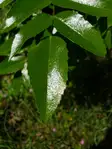 hollyleaved barberry Mahonia aquifolium Documented conflict
 -
 juniper Juniperus spp. Keep away
 -
 Rosemary Salvia rosmarinus Documented conflict
 -
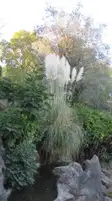 Uruguayan pampas grass Cortaderia selloana Keep away
 - pampas grass Cortaderia Awaiting evidence
Questions
Can I plant a firewise shrub against the house?
Not in Zone 0. IBHS and CAL FIRE treat the first five feet as an ember-resistant zone. Keep it largely noncombustible. Use the plant directory for Zone 1 and Zone 2, farther from the wall.
Is California Zone 0 already the law?
The Board of Forestry voted on statewide Zone 0 rules on 19 August 2026. That vote was not yet in force as of this verification. IBHS and California Safer from Wildfires already credit a 0–5 foot noncombustible zone.
Does Oregon R327 set Zone 1 and Zone 2?
No. R327 is a construction section where a local department has adopted it. Zone bands are defensible-space and insurance language. An R327 permit is not a landscaping inspection.
Is the noncombustible fence run five feet or eight?
IBHS Essential and California Safer from Wildfires treat fences and gates in the first five feet. CAL FIRE’s home-hardening page says replace attached combustible fencing or gates for the first 8 feet. Cite the document you are scoring. This page is not a fence catalog.
Does Prescott use the same three distance bands?
Prescott's current Appendix B uses an Immediate Zone from 0–5 feet, an Intermediate Zone from 5–30 feet, and an Expanded Zone from 30–100 feet. It requires a vegetation management plan for projects permitted under the city's WUI code. That local code example is not proof that the same requirements bind a parcel outside Prescott.
Does Boise use the same three named bands?
No. Current Boise Chapter 41 requires at least 30 feet of fuel modification in designated WUI areas and a five-foot fuel-free area around structures. That inner band allows approved fire-resistant vegetation and noncombustible mulch, so it is not the same text as an IBHS noncombustible Zone 0 checklist. For an existing structure built before 2011, the defensible-space provision applies only when the fire code official finds a distinct hazard to life or property. Confirm the parcel and official determination.