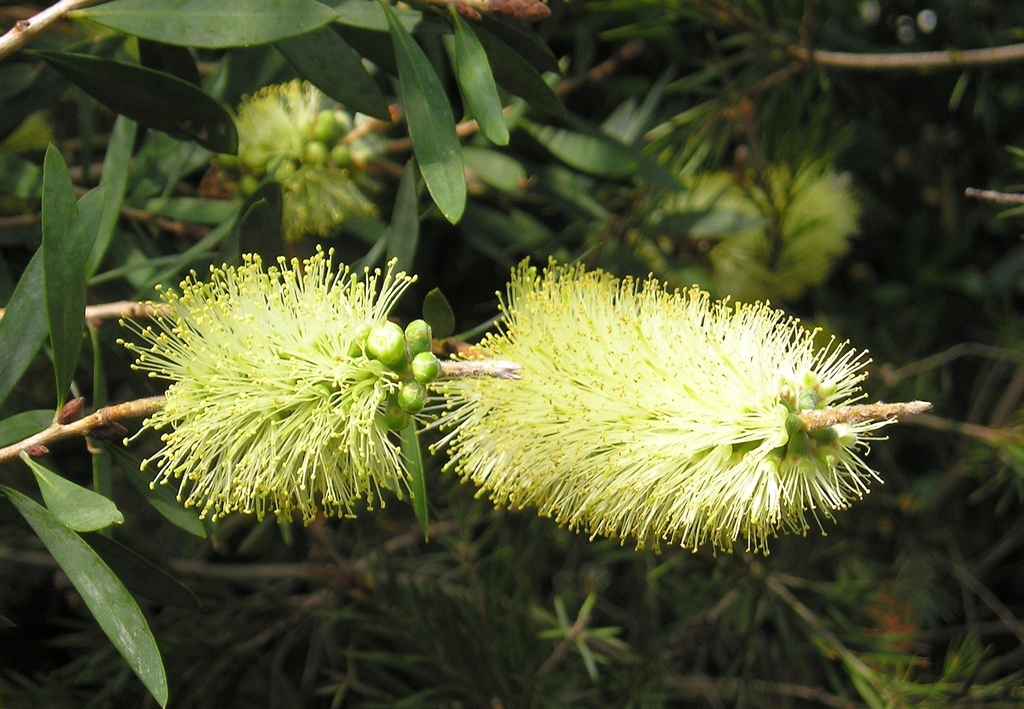
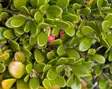
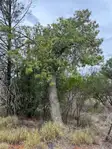
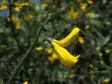
Use related plants for same-form alternatives rather than treating the umbrella record as a species choice. Then return to the evidence table to compare the source rows attached to Callistemon. The links separate two reader jobs: follow alternatives when choosing a plant, or inspect the evidence when reviewing why the record remains in conflict.
Questions
Why does this record show a conflict?
The computed recommendation is conflict. This page is a genus-rank umbrella record. Protecting your home from wildfire is one named lineage in that split, not a tie-breaker. Same-form alternatives are cited on the related list.
The UC Forest Products Laboratory says the guide covers properties of common California landscaping plants and was prepared for California fire agencies. FireApproved publishes 130 exact owners at historical California publication scope. The report is a 1997 compilation, not a current endorsement, site rating, or independent test of every row.
South Carolina Forestry Commission publishes this explicitly as its Fire Smart Plant List for South Carolina. FireApproved publishes 63 exact genus owners from 72 unique common-name labels; unsafe common-name mappings and duplicates are not broadened. The brochure calls the list non-inclusive and does not establish species-level or site-specific suitability.
2. Why this plant is relevant here
State distribution
Native range
Introduced / established
USDA hardiness
3. Legal, ecological, and broader status
Legal-list status
Seed-list status
Reported invasive here
Broader regional context
Federal context
How to read this page
The status above is computed from the cited rows below: independent recommendations can support a fire-resistant result, an avoid row can produce keep-away, and disagreement stays visible as conflict. Placement notes preserve each source’s own scheme rather than translating unlike rules into one scale. This is evidence about a plant, not permission to plant it in every part of the defensible space; Zone 0 remains noncombustible.
Where its sources say to plant it
Placement rules below use each source's own distances or named zones, tied to its rating.
They are not interchangeable with the directory's current Zone 0 guidance.
Eastern United States Fire Performance Plant Selector: Master Plant DB row 233 [lwf-2024-fps-carrier] (mid-scale rating)
Defensible Space Landscaping in the Urban/Wildland Interf…: Chapter 4, Landscape Vegetation Database [ucfpl-1997] (with its recommendation)
Landscaping Can Be Attractive & FIREWISE: SHRUBS [SCFC Fire Smart plant-form sections] (with its recommendation)
The evidence
Grouped by what each source concluded. Primary evidence rated the plant itself
(a lab, field program, or original curation); corroboration compiled or
republished another source's rating and resolves to its root lineage.
2 cited rows from this source; its identity, lineage and tier are stated once.
Primary study Gill1996: Gill, M., & Moore, P. (1996). Ignitibility of leaves of Australian plants. Centre for Plant Biodiversity Research, CSIRO Plant Industry.
Shared row context: Ignitability measurement; plant part leaves; fuel live; device muffle furnace; site Gill1996-1; sampling march to april.