United States / Grow / Bottlebrushes
Bottlebrushes
Bottlebrushes should not be treated as fire resistant.
Among five assessed Callistemon members, two are contested, two received no verdict either way, and one is rated keep away; none is clearly rated resistant.
The warning is strongest for bottlebrush, Callistemon rigidus, which has a substantial body of assessment behind its keep-away rating and a moderate-to-high flammability classification. A separate genus-level assessment warns that dead, dry parts can produce flames taller than 2.5 metres and advises keeping the plant away from a home or shed. That concern applies to a named assessment, not automatically to every Bottlebrush, but it gives no basis for treating the genus as safe.
The most-studied member, crimson bottlebrush, Callistemon citrinus, shows why the answer is not a simple universal ban. Its findings genuinely conflict. One garden-suitability method recommends it under species-specific care while considering fire evidence, fuel structure, and maintenance. Other findings prevent that recommendation from becoming a clear fire-resistant rating. Callistemon includes shrubs and trees in the myrtle family, so a common name alone is not enough for a planting decision. Check the scientific name on the label: Callistemon rigidus is the bottlebrush specifically rated keep away, while uncertainty around other members should not be mistaken for approval.
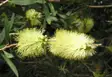 Rated as a group: bottlebrush Callistemon sp. Documented conflict Disputed 7 sources rate the genus as a
whole. Species evidence never rolls upward into a genus verdict, and genus claims never
override a species record.
›
Rated as a group: bottlebrush Callistemon sp. Documented conflict Disputed 7 sources rate the genus as a
whole. Species evidence never rolls upward into a genus verdict, and genus claims never
override a species record.
› Keep away: 1 species
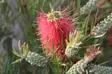
Documented conflict: 1 species
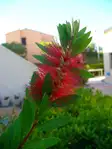
Awaiting evidence: 2 species
- weeping bottlebrush Awaiting evidence Callistemon viminalis
- crimson bottlebrush Awaiting evidence Callistemon lanceolatus
About bottlebrushes
Directory notes
More about Callistemon: Wikipedia — external references; not evidence sources.