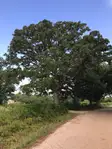
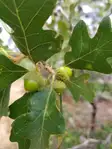
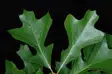
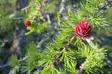
The status above is computed from the cited rows below: independent recommendations can support a fire-resistant result, an avoid row can produce keep-away, and disagreement stays visible as conflict. Placement notes preserve each source’s own scheme rather than translating unlike rules into one scale. This is evidence about a plant, not permission to plant it in every part of the defensible space; Zone 0 remains noncombustible.
Where its sources say to plant it
Placement rules below use each source's own distances or named zones, tied to its rating.
They are not interchangeable with the directory's current Zone 0 guidance.
Time to extinguish the exotic flame: Lessons from the 202…: Natural; Table 1 and deposited raw workbook [macalister-2025-leaf-flammability] (mid-scale rating)
The evidence
Grouped by what each source concluded. Primary evidence rated the plant itself
(a lab, field program, or original curation); corroboration compiled or
republished another source's rating and resolves to its root lineage.
3 cited rows from this source; its identity, lineage and tier are stated once.
Primary study Burger2015: Burger, N., & Bond, W. J. (2015). Flammability traits of Cape shrubland species with different post-fire recruitment strategies. South African Journal of Botany, 101, 40-48.
Shared row context: plant part branches; fuel all; predrying yes; device grill; site Burger2015-1; sampling september.
“maximum sample temperature (°C): 546.63”
FLAMITS record 1061; Combustibility measurement.
“burnt biomass (%): 19.72”
FLAMITS record 1090; Consumability measurement.
“calorific value (kcal/kg): 4855.49”
FLAMITS record 13554; Combustibility measurement; plant part leaves; fuel live; predrying yes; device calorimeter; site vanWilgen1990-1; sampling january. Primary study vanWilgen1990: Van Wilgen, B., Higgins, K., & Bellstedt, D. (1990). The role of vegetation structure and fuel chemistry in excluding fire from forest patches in the fire-prone fynbos shrublands of South Africa. The Journal of Ecology, 78, 210-222.