Current native
28
exact source areas
Home / Plants / Grow / Post oak
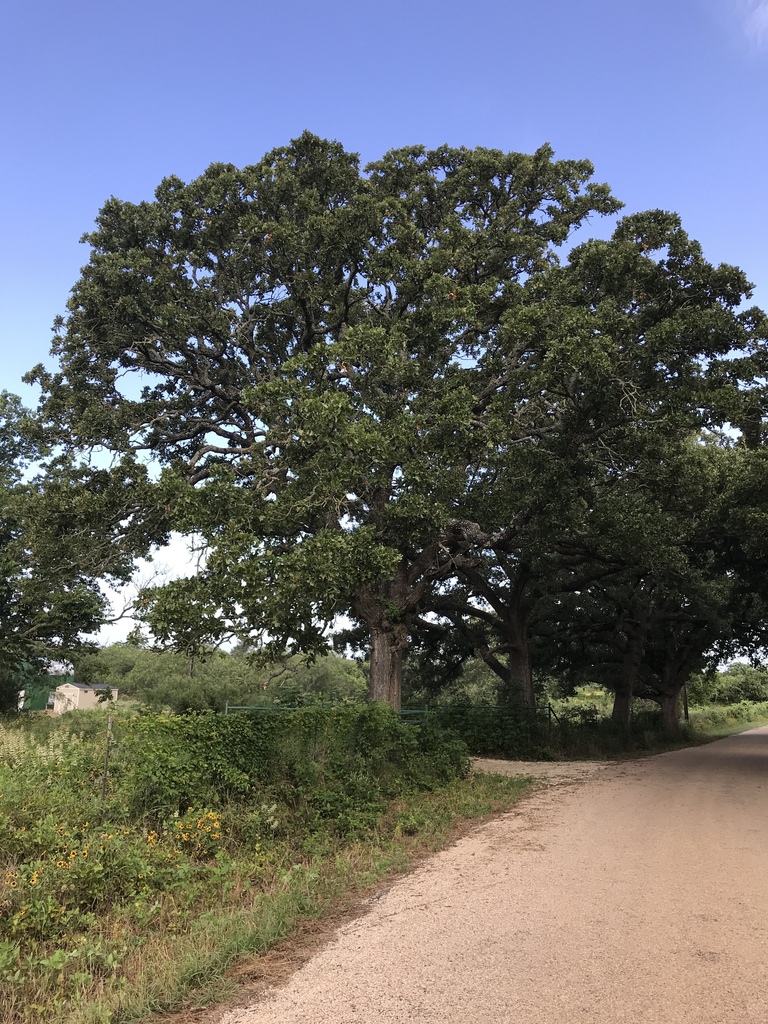
Quercus stellata
Your local evidence lens
A genus split is not a placement verdict. Set a ZIP to read the local documented split.
The status above is computed from the cited rows below: independent recommendations can support a fire-resistant result, an avoid row can produce keep-away, and disagreement stays visible as conflict. Placement notes preserve each source’s own scheme rather than translating unlike rules into one scale. This is evidence about a plant, not permission to plant it in every part of the defensible space; Zone 0 remains noncombustible.
These are exact U.S. botanical-area records from the cited range source. Native and introduced describe biogeographic relationship, not fire performance or planting approval. Doubtful and extinct rows stay visible but do not count as current presence.
Current native
exact source areas
Current introduced
exact source areas
Qualified
doubtful or extinct source rows
Eastern United States Fire Performance Plant Selector
Source prints 6 · single-value meaning unresolved
Fire-resistant Landscape Plants for the Willamette Valley (EM 9103)
5–9 explicit range
USDA PLANTS Database — Plant Characteristics
Minimum 3b · no upper limit documented
Eastern United States Fire Performance Plant Selector
“Firewise (1)”
Glossy green foliage that turns bronze in fall. Foliage is "cross' shaped.
Firewise Landscaping in North Carolina (E05-44596)
“Low flammability rating”
Firewise Landscaping (OSU Extension Bulletin 921)
“L flammability”
Tolerates dry, poor soil conditions; construction tolerant.
Virginia Firescapes — Firewise Landscaping for Woodland Homes (430-300)
“L flammability”
Tolerates dry, poor soil conditions.
Fire-Resistant Landscaping in North Carolina (AG-874)
“low flammability”
Fire-resistant Landscape Plants for the Willamette Valley (EM 9103)
“fire-resistant plants that thrive in Willamette Valley growing conditions”
The trees profile lists Quercus stellata as Post Oak. The profile prints USDA Hardiness Zone: 5–9.
North Carolina Extension Gardener Plant Toolbox — plant profiles and flammability ratings
“low flammability”
NC Toolbox facet capture lists "Quercus stellata" under the low flammability tag.
“low”
The table rates Oak, Post — Quercus stellata low for flammability hazard, defined as the ease a plant can burn at high temperatures for a prolonged time.
FLAMITS: FLAMmability plant traiTS database
“flame height (cm): 68.4”
FLAMITS record 5453; Combustibility measurement; plant part leaves; fuel live; predrying no; device burning bench; site Kane2008-1; sampling november and december. Primary study Kane2008: Kane, J. M., Varner, J. M., & Hiers, J. K. (2008). The burning characteristics of southeastern oaks: Discriminating fire facilitators from fire impeders. Forest Ecology and Management, 256, 2039-2045.
“flaming duration (s): 52”
FLAMITS record 5461; Sustainability measurement; plant part leaves; fuel live; predrying no; device burning bench; site Kane2008-1; sampling november and december. Primary study Kane2008: Kane, J. M., Varner, J. M., & Hiers, J. K. (2008). The burning characteristics of southeastern oaks: Discriminating fire facilitators from fire impeders. Forest Ecology and Management, 256, 2039-2045.
“smouldering duration (s): 216.3”
FLAMITS record 5469; Sustainability measurement; plant part litter; fuel live; predrying no; device burning bench; site Kane2008-1; sampling november and december. Primary study Kane2008: Kane, J. M., Varner, J. M., & Hiers, J. K. (2008). The burning characteristics of southeastern oaks: Discriminating fire facilitators from fire impeders. Forest Ecology and Management, 256, 2039-2045.
“mass loss rate (g/s): 0.5”
FLAMITS record 5477; Combustibility measurement; plant part litter; fuel live; predrying no; device burning bench; site Kane2008-1; sampling november and december. Primary study Kane2008: Kane, J. M., Varner, J. M., & Hiers, J. K. (2008). The burning characteristics of southeastern oaks: Discriminating fire facilitators from fire impeders. Forest Ecology and Management, 256, 2039-2045.
“burnt biomass (%): 84.9”
FLAMITS record 5485; Consumability measurement; plant part litter; fuel live; predrying no; device burning bench; site Kane2008-1; sampling november and december. Primary study Kane2008: Kane, J. M., Varner, J. M., & Hiers, J. K. (2008). The burning characteristics of southeastern oaks: Discriminating fire facilitators from fire impeders. Forest Ecology and Management, 256, 2039-2045.
“flame height (cm): 64”
FLAMITS record 5779; Combustibility measurement; plant part litter; fuel all; predrying yes; device burning bench; site Kreye2020-2; sampling July. Primary study Kreye2020: Kreye, J. K., Kane, J. M., Varner, J. M., & Hiers, J. K. (2020). Radiant heating rapidly increases litter flammability through impacts on fuel moisture. Fire Ecology, 16, 1-10.
“flame height (cm): 53”
FLAMITS record 5780; Combustibility measurement; plant part litter; fuel all; predrying yes; device burning bench; site Kreye2020-2; sampling July. Primary study Kreye2020: Kreye, J. K., Kane, J. M., Varner, J. M., & Hiers, J. K. (2020). Radiant heating rapidly increases litter flammability through impacts on fuel moisture. Fire Ecology, 16, 1-10.
“flame height (cm): 64”
FLAMITS record 5781; Combustibility measurement; plant part litter; fuel all; predrying yes; device burning bench; site Kreye2020-2; sampling July. Primary study Kreye2020: Kreye, J. K., Kane, J. M., Varner, J. M., & Hiers, J. K. (2020). Radiant heating rapidly increases litter flammability through impacts on fuel moisture. Fire Ecology, 16, 1-10.
“flame height (cm): 43”
FLAMITS record 5782; Combustibility measurement; plant part litter; fuel all; predrying yes; device burning bench; site Kreye2020-2; sampling July. Primary study Kreye2020: Kreye, J. K., Kane, J. M., Varner, J. M., & Hiers, J. K. (2020). Radiant heating rapidly increases litter flammability through impacts on fuel moisture. Fire Ecology, 16, 1-10.
“flame height (cm): 23”
FLAMITS record 5783; Combustibility measurement; plant part litter; fuel all; predrying yes; device burning bench; site Kreye2020-2; sampling July. Primary study Kreye2020: Kreye, J. K., Kane, J. M., Varner, J. M., & Hiers, J. K. (2020). Radiant heating rapidly increases litter flammability through impacts on fuel moisture. Fire Ecology, 16, 1-10.
“flame height (cm): 23”
FLAMITS record 5784; Combustibility measurement; plant part litter; fuel all; predrying yes; device burning bench; site Kreye2020-2; sampling July. Primary study Kreye2020: Kreye, J. K., Kane, J. M., Varner, J. M., & Hiers, J. K. (2020). Radiant heating rapidly increases litter flammability through impacts on fuel moisture. Fire Ecology, 16, 1-10.
“flame height (cm): 28”
FLAMITS record 5785; Combustibility measurement; plant part litter; fuel all; predrying yes; device burning bench; site Kreye2020-2; sampling July. Primary study Kreye2020: Kreye, J. K., Kane, J. M., Varner, J. M., & Hiers, J. K. (2020). Radiant heating rapidly increases litter flammability through impacts on fuel moisture. Fire Ecology, 16, 1-10.
“flame height (cm): 73”
FLAMITS record 5786; Combustibility measurement; plant part litter; fuel all; predrying yes; device burning bench; site Kreye2020-2; sampling July. Primary study Kreye2020: Kreye, J. K., Kane, J. M., Varner, J. M., & Hiers, J. K. (2020). Radiant heating rapidly increases litter flammability through impacts on fuel moisture. Fire Ecology, 16, 1-10.
“flame height (cm): 90”
FLAMITS record 5787; Combustibility measurement; plant part litter; fuel all; predrying yes; device burning bench; site Kreye2020-2; sampling July. Primary study Kreye2020: Kreye, J. K., Kane, J. M., Varner, J. M., & Hiers, J. K. (2020). Radiant heating rapidly increases litter flammability through impacts on fuel moisture. Fire Ecology, 16, 1-10.
“flame height (cm): 91”
FLAMITS record 5788; Combustibility measurement; plant part litter; fuel all; predrying yes; device burning bench; site Kreye2020-2; sampling July. Primary study Kreye2020: Kreye, J. K., Kane, J. M., Varner, J. M., & Hiers, J. K. (2020). Radiant heating rapidly increases litter flammability through impacts on fuel moisture. Fire Ecology, 16, 1-10.
“flame height (cm): 66”
FLAMITS record 5789; Combustibility measurement; plant part litter; fuel all; predrying yes; device burning bench; site Kreye2020-2; sampling July. Primary study Kreye2020: Kreye, J. K., Kane, J. M., Varner, J. M., & Hiers, J. K. (2020). Radiant heating rapidly increases litter flammability through impacts on fuel moisture. Fire Ecology, 16, 1-10.
“flame height (cm): 54”
FLAMITS record 5790; Combustibility measurement; plant part litter; fuel all; predrying yes; device burning bench; site Kreye2020-2; sampling July. Primary study Kreye2020: Kreye, J. K., Kane, J. M., Varner, J. M., & Hiers, J. K. (2020). Radiant heating rapidly increases litter flammability through impacts on fuel moisture. Fire Ecology, 16, 1-10.
“flame height (cm): 54”
FLAMITS record 5791; Combustibility measurement; plant part litter; fuel all; predrying yes; device burning bench; site Kreye2020-2; sampling July. Primary study Kreye2020: Kreye, J. K., Kane, J. M., Varner, J. M., & Hiers, J. K. (2020). Radiant heating rapidly increases litter flammability through impacts on fuel moisture. Fire Ecology, 16, 1-10.
“flame height (cm): 42”
FLAMITS record 5792; Combustibility measurement; plant part litter; fuel all; predrying yes; device burning bench; site Kreye2020-2; sampling July. Primary study Kreye2020: Kreye, J. K., Kane, J. M., Varner, J. M., & Hiers, J. K. (2020). Radiant heating rapidly increases litter flammability through impacts on fuel moisture. Fire Ecology, 16, 1-10.
“flaming duration (s): 76.2”
FLAMITS record 5793; Sustainability measurement; plant part litter; fuel all; predrying yes; device burning bench; site Kreye2020-2; sampling July. Primary study Kreye2020: Kreye, J. K., Kane, J. M., Varner, J. M., & Hiers, J. K. (2020). Radiant heating rapidly increases litter flammability through impacts on fuel moisture. Fire Ecology, 16, 1-10.
“flaming duration (s): 45”
FLAMITS record 5794; Sustainability measurement; plant part litter; fuel all; predrying yes; device burning bench; site Kreye2020-2; sampling July. Primary study Kreye2020: Kreye, J. K., Kane, J. M., Varner, J. M., & Hiers, J. K. (2020). Radiant heating rapidly increases litter flammability through impacts on fuel moisture. Fire Ecology, 16, 1-10.
“flaming duration (s): 70.2”
FLAMITS record 5795; Sustainability measurement; plant part litter; fuel all; predrying yes; device burning bench; site Kreye2020-2; sampling July. Primary study Kreye2020: Kreye, J. K., Kane, J. M., Varner, J. M., & Hiers, J. K. (2020). Radiant heating rapidly increases litter flammability through impacts on fuel moisture. Fire Ecology, 16, 1-10.
“flaming duration (s): 73.8”
FLAMITS record 5796; Sustainability measurement; plant part litter; fuel all; predrying yes; device burning bench; site Kreye2020-2; sampling July. Primary study Kreye2020: Kreye, J. K., Kane, J. M., Varner, J. M., & Hiers, J. K. (2020). Radiant heating rapidly increases litter flammability through impacts on fuel moisture. Fire Ecology, 16, 1-10.
“flaming duration (s): 52.8”
FLAMITS record 5797; Sustainability measurement; plant part litter; fuel all; predrying yes; device burning bench; site Kreye2020-2; sampling July. Primary study Kreye2020: Kreye, J. K., Kane, J. M., Varner, J. M., & Hiers, J. K. (2020). Radiant heating rapidly increases litter flammability through impacts on fuel moisture. Fire Ecology, 16, 1-10.
“flaming duration (s): 60”
FLAMITS record 5798; Sustainability measurement; plant part litter; fuel all; predrying yes; device burning bench; site Kreye2020-2; sampling July. Primary study Kreye2020: Kreye, J. K., Kane, J. M., Varner, J. M., & Hiers, J. K. (2020). Radiant heating rapidly increases litter flammability through impacts on fuel moisture. Fire Ecology, 16, 1-10.
“flaming duration (s): 112.2”
FLAMITS record 5799; Sustainability measurement; plant part litter; fuel all; predrying yes; device burning bench; site Kreye2020-2; sampling July. Primary study Kreye2020: Kreye, J. K., Kane, J. M., Varner, J. M., & Hiers, J. K. (2020). Radiant heating rapidly increases litter flammability through impacts on fuel moisture. Fire Ecology, 16, 1-10.
“flaming duration (s): 58.8”
FLAMITS record 5800; Sustainability measurement; plant part litter; fuel all; predrying yes; device burning bench; site Kreye2020-2; sampling July. Primary study Kreye2020: Kreye, J. K., Kane, J. M., Varner, J. M., & Hiers, J. K. (2020). Radiant heating rapidly increases litter flammability through impacts on fuel moisture. Fire Ecology, 16, 1-10.
“flaming duration (s): 73.8”
FLAMITS record 5801; Sustainability measurement; plant part litter; fuel all; predrying yes; device burning bench; site Kreye2020-2; sampling July. Primary study Kreye2020: Kreye, J. K., Kane, J. M., Varner, J. M., & Hiers, J. K. (2020). Radiant heating rapidly increases litter flammability through impacts on fuel moisture. Fire Ecology, 16, 1-10.
“flaming duration (s): 72”
FLAMITS record 5802; Sustainability measurement; plant part litter; fuel all; predrying yes; device burning bench; site Kreye2020-2; sampling July. Primary study Kreye2020: Kreye, J. K., Kane, J. M., Varner, J. M., & Hiers, J. K. (2020). Radiant heating rapidly increases litter flammability through impacts on fuel moisture. Fire Ecology, 16, 1-10.
“flaming duration (s): 55.2”
FLAMITS record 5803; Sustainability measurement; plant part litter; fuel all; predrying yes; device burning bench; site Kreye2020-2; sampling July. Primary study Kreye2020: Kreye, J. K., Kane, J. M., Varner, J. M., & Hiers, J. K. (2020). Radiant heating rapidly increases litter flammability through impacts on fuel moisture. Fire Ecology, 16, 1-10.
“flaming duration (s): 70.8”
FLAMITS record 5804; Sustainability measurement; plant part litter; fuel all; predrying yes; device burning bench; site Kreye2020-2; sampling July. Primary study Kreye2020: Kreye, J. K., Kane, J. M., Varner, J. M., & Hiers, J. K. (2020). Radiant heating rapidly increases litter flammability through impacts on fuel moisture. Fire Ecology, 16, 1-10.
“flaming duration (s): 100.8”
FLAMITS record 5805; Sustainability measurement; plant part litter; fuel all; predrying yes; device burning bench; site Kreye2020-2; sampling July. Primary study Kreye2020: Kreye, J. K., Kane, J. M., Varner, J. M., & Hiers, J. K. (2020). Radiant heating rapidly increases litter flammability through impacts on fuel moisture. Fire Ecology, 16, 1-10.
“flaming duration (s): 142.2”
FLAMITS record 5806; Sustainability measurement; plant part litter; fuel all; predrying yes; device burning bench; site Kreye2020-2; sampling July. Primary study Kreye2020: Kreye, J. K., Kane, J. M., Varner, J. M., & Hiers, J. K. (2020). Radiant heating rapidly increases litter flammability through impacts on fuel moisture. Fire Ecology, 16, 1-10.
“time to smouldering (s): 304.2”
FLAMITS record 5807; Ignitability measurement; plant part litter; fuel all; predrying yes; device burning bench; site Kreye2020-2; sampling July. Primary study Kreye2020: Kreye, J. K., Kane, J. M., Varner, J. M., & Hiers, J. K. (2020). Radiant heating rapidly increases litter flammability through impacts on fuel moisture. Fire Ecology, 16, 1-10.
“time to smouldering (s): 169.2”
FLAMITS record 5808; Ignitability measurement; plant part litter; fuel all; predrying yes; device burning bench; site Kreye2020-2; sampling July. Primary study Kreye2020: Kreye, J. K., Kane, J. M., Varner, J. M., & Hiers, J. K. (2020). Radiant heating rapidly increases litter flammability through impacts on fuel moisture. Fire Ecology, 16, 1-10.
“time to smouldering (s): 585”
FLAMITS record 5809; Ignitability measurement; plant part litter; fuel all; predrying yes; device burning bench; site Kreye2020-2; sampling July. Primary study Kreye2020: Kreye, J. K., Kane, J. M., Varner, J. M., & Hiers, J. K. (2020). Radiant heating rapidly increases litter flammability through impacts on fuel moisture. Fire Ecology, 16, 1-10.
“time to smouldering (s): 289.8”
FLAMITS record 5810; Ignitability measurement; plant part litter; fuel all; predrying yes; device burning bench; site Kreye2020-2; sampling July. Primary study Kreye2020: Kreye, J. K., Kane, J. M., Varner, J. M., & Hiers, J. K. (2020). Radiant heating rapidly increases litter flammability through impacts on fuel moisture. Fire Ecology, 16, 1-10.
“time to smouldering (s): 172.8”
FLAMITS record 5811; Ignitability measurement; plant part litter; fuel all; predrying yes; device burning bench; site Kreye2020-2; sampling July. Primary study Kreye2020: Kreye, J. K., Kane, J. M., Varner, J. M., & Hiers, J. K. (2020). Radiant heating rapidly increases litter flammability through impacts on fuel moisture. Fire Ecology, 16, 1-10.
“time to smouldering (s): 337.8”
FLAMITS record 5812; Ignitability measurement; plant part litter; fuel all; predrying yes; device burning bench; site Kreye2020-2; sampling July. Primary study Kreye2020: Kreye, J. K., Kane, J. M., Varner, J. M., & Hiers, J. K. (2020). Radiant heating rapidly increases litter flammability through impacts on fuel moisture. Fire Ecology, 16, 1-10.
“time to smouldering (s): 147”
FLAMITS record 5813; Ignitability measurement; plant part litter; fuel all; predrying yes; device burning bench; site Kreye2020-2; sampling July. Primary study Kreye2020: Kreye, J. K., Kane, J. M., Varner, J. M., & Hiers, J. K. (2020). Radiant heating rapidly increases litter flammability through impacts on fuel moisture. Fire Ecology, 16, 1-10.
“time to smouldering (s): 259.8”
FLAMITS record 5814; Ignitability measurement; plant part litter; fuel all; predrying yes; device burning bench; site Kreye2020-2; sampling July. Primary study Kreye2020: Kreye, J. K., Kane, J. M., Varner, J. M., & Hiers, J. K. (2020). Radiant heating rapidly increases litter flammability through impacts on fuel moisture. Fire Ecology, 16, 1-10.
“time to smouldering (s): 304.8”
FLAMITS record 5815; Ignitability measurement; plant part litter; fuel all; predrying yes; device burning bench; site Kreye2020-2; sampling July. Primary study Kreye2020: Kreye, J. K., Kane, J. M., Varner, J. M., & Hiers, J. K. (2020). Radiant heating rapidly increases litter flammability through impacts on fuel moisture. Fire Ecology, 16, 1-10.
“time to smouldering (s): 430.8”
FLAMITS record 5816; Ignitability measurement; plant part litter; fuel all; predrying yes; device burning bench; site Kreye2020-2; sampling July. Primary study Kreye2020: Kreye, J. K., Kane, J. M., Varner, J. M., & Hiers, J. K. (2020). Radiant heating rapidly increases litter flammability through impacts on fuel moisture. Fire Ecology, 16, 1-10.
“time to smouldering (s): 232.8”
FLAMITS record 5817; Ignitability measurement; plant part litter; fuel all; predrying yes; device burning bench; site Kreye2020-2; sampling July. Primary study Kreye2020: Kreye, J. K., Kane, J. M., Varner, J. M., & Hiers, J. K. (2020). Radiant heating rapidly increases litter flammability through impacts on fuel moisture. Fire Ecology, 16, 1-10.
“time to smouldering (s): 535.8”
FLAMITS record 5818; Ignitability measurement; plant part litter; fuel all; predrying yes; device burning bench; site Kreye2020-2; sampling July. Primary study Kreye2020: Kreye, J. K., Kane, J. M., Varner, J. M., & Hiers, J. K. (2020). Radiant heating rapidly increases litter flammability through impacts on fuel moisture. Fire Ecology, 16, 1-10.
“time to smouldering (s): 381”
FLAMITS record 5819; Ignitability measurement; plant part litter; fuel all; predrying yes; device burning bench; site Kreye2020-2; sampling July. Primary study Kreye2020: Kreye, J. K., Kane, J. M., Varner, J. M., & Hiers, J. K. (2020). Radiant heating rapidly increases litter flammability through impacts on fuel moisture. Fire Ecology, 16, 1-10.
“time to smouldering (s): 226.2”
FLAMITS record 5820; Ignitability measurement; plant part litter; fuel all; predrying yes; device burning bench; site Kreye2020-2; sampling July. Primary study Kreye2020: Kreye, J. K., Kane, J. M., Varner, J. M., & Hiers, J. K. (2020). Radiant heating rapidly increases litter flammability through impacts on fuel moisture. Fire Ecology, 16, 1-10.
“burnt biomass (%): 82”
FLAMITS record 5821; Consumability measurement; plant part litter; fuel all; predrying yes; device burning bench; site Kreye2020-2; sampling July. Primary study Kreye2020: Kreye, J. K., Kane, J. M., Varner, J. M., & Hiers, J. K. (2020). Radiant heating rapidly increases litter flammability through impacts on fuel moisture. Fire Ecology, 16, 1-10.
“burnt biomass (%): 83”
FLAMITS record 5822; Consumability measurement; plant part litter; fuel all; predrying yes; device burning bench; site Kreye2020-2; sampling July. Primary study Kreye2020: Kreye, J. K., Kane, J. M., Varner, J. M., & Hiers, J. K. (2020). Radiant heating rapidly increases litter flammability through impacts on fuel moisture. Fire Ecology, 16, 1-10.
“burnt biomass (%): 75”
FLAMITS record 5823; Consumability measurement; plant part litter; fuel all; predrying yes; device burning bench; site Kreye2020-2; sampling July. Primary study Kreye2020: Kreye, J. K., Kane, J. M., Varner, J. M., & Hiers, J. K. (2020). Radiant heating rapidly increases litter flammability through impacts on fuel moisture. Fire Ecology, 16, 1-10.
“burnt biomass (%): 68”
FLAMITS record 5824; Consumability measurement; plant part litter; fuel all; predrying yes; device burning bench; site Kreye2020-2; sampling July. Primary study Kreye2020: Kreye, J. K., Kane, J. M., Varner, J. M., & Hiers, J. K. (2020). Radiant heating rapidly increases litter flammability through impacts on fuel moisture. Fire Ecology, 16, 1-10.
“burnt biomass (%): 38”
FLAMITS record 5825; Consumability measurement; plant part litter; fuel all; predrying yes; device burning bench; site Kreye2020-2; sampling July. Primary study Kreye2020: Kreye, J. K., Kane, J. M., Varner, J. M., & Hiers, J. K. (2020). Radiant heating rapidly increases litter flammability through impacts on fuel moisture. Fire Ecology, 16, 1-10.
“burnt biomass (%): 35”
FLAMITS record 5826; Consumability measurement; plant part litter; fuel all; predrying yes; device burning bench; site Kreye2020-2; sampling July. Primary study Kreye2020: Kreye, J. K., Kane, J. M., Varner, J. M., & Hiers, J. K. (2020). Radiant heating rapidly increases litter flammability through impacts on fuel moisture. Fire Ecology, 16, 1-10.
“burnt biomass (%): 32”
FLAMITS record 5827; Consumability measurement; plant part litter; fuel all; predrying yes; device burning bench; site Kreye2020-2; sampling July. Primary study Kreye2020: Kreye, J. K., Kane, J. M., Varner, J. M., & Hiers, J. K. (2020). Radiant heating rapidly increases litter flammability through impacts on fuel moisture. Fire Ecology, 16, 1-10.
“burnt biomass (%): 88”
FLAMITS record 5828; Consumability measurement; plant part litter; fuel all; predrying yes; device burning bench; site Kreye2020-2; sampling July. Primary study Kreye2020: Kreye, J. K., Kane, J. M., Varner, J. M., & Hiers, J. K. (2020). Radiant heating rapidly increases litter flammability through impacts on fuel moisture. Fire Ecology, 16, 1-10.
“burnt biomass (%): 87”
FLAMITS record 5829; Consumability measurement; plant part litter; fuel all; predrying yes; device burning bench; site Kreye2020-2; sampling July. Primary study Kreye2020: Kreye, J. K., Kane, J. M., Varner, J. M., & Hiers, J. K. (2020). Radiant heating rapidly increases litter flammability through impacts on fuel moisture. Fire Ecology, 16, 1-10.
“burnt biomass (%): 79”
FLAMITS record 5830; Consumability measurement; plant part litter; fuel all; predrying yes; device burning bench; site Kreye2020-2; sampling July. Primary study Kreye2020: Kreye, J. K., Kane, J. M., Varner, J. M., & Hiers, J. K. (2020). Radiant heating rapidly increases litter flammability through impacts on fuel moisture. Fire Ecology, 16, 1-10.
“burnt biomass (%): 75”
FLAMITS record 5831; Consumability measurement; plant part litter; fuel all; predrying yes; device burning bench; site Kreye2020-2; sampling July. Primary study Kreye2020: Kreye, J. K., Kane, J. M., Varner, J. M., & Hiers, J. K. (2020). Radiant heating rapidly increases litter flammability through impacts on fuel moisture. Fire Ecology, 16, 1-10.
“burnt biomass (%): 68”
FLAMITS record 5832; Consumability measurement; plant part litter; fuel all; predrying yes; device burning bench; site Kreye2020-2; sampling July. Primary study Kreye2020: Kreye, J. K., Kane, J. M., Varner, J. M., & Hiers, J. K. (2020). Radiant heating rapidly increases litter flammability through impacts on fuel moisture. Fire Ecology, 16, 1-10.
“burnt biomass (%): 65”
FLAMITS record 5833; Consumability measurement; plant part litter; fuel all; predrying yes; device burning bench; site Kreye2020-2; sampling July. Primary study Kreye2020: Kreye, J. K., Kane, J. M., Varner, J. M., & Hiers, J. K. (2020). Radiant heating rapidly increases litter flammability through impacts on fuel moisture. Fire Ecology, 16, 1-10.
“burnt biomass (%): 53”
FLAMITS record 5834; Consumability measurement; plant part litter; fuel all; predrying yes; device burning bench; site Kreye2020-2; sampling July. Primary study Kreye2020: Kreye, J. K., Kane, J. M., Varner, J. M., & Hiers, J. K. (2020). Radiant heating rapidly increases litter flammability through impacts on fuel moisture. Fire Ecology, 16, 1-10.
“flame height (cm): 73”
FLAMITS record 5891; Combustibility measurement; plant part litter; fuel all; predrying yes; device burning bench; site Kreye2020-2; sampling July. Primary study Kreye2020: Kreye, J. K., Kane, J. M., Varner, J. M., & Hiers, J. K. (2020). Radiant heating rapidly increases litter flammability through impacts on fuel moisture. Fire Ecology, 16, 1-10.
“flame height (cm): 53”
FLAMITS record 5892; Combustibility measurement; plant part litter; fuel all; predrying yes; device burning bench; site Kreye2020-2; sampling July. Primary study Kreye2020: Kreye, J. K., Kane, J. M., Varner, J. M., & Hiers, J. K. (2020). Radiant heating rapidly increases litter flammability through impacts on fuel moisture. Fire Ecology, 16, 1-10.
“flame height (cm): 32”
FLAMITS record 5893; Combustibility measurement; plant part litter; fuel all; predrying yes; device burning bench; site Kreye2020-2; sampling July. Primary study Kreye2020: Kreye, J. K., Kane, J. M., Varner, J. M., & Hiers, J. K. (2020). Radiant heating rapidly increases litter flammability through impacts on fuel moisture. Fire Ecology, 16, 1-10.
“flame height (cm): 32”
FLAMITS record 5894; Combustibility measurement; plant part litter; fuel all; predrying yes; device burning bench; site Kreye2020-2; sampling July. Primary study Kreye2020: Kreye, J. K., Kane, J. M., Varner, J. M., & Hiers, J. K. (2020). Radiant heating rapidly increases litter flammability through impacts on fuel moisture. Fire Ecology, 16, 1-10.
“flame height (cm): 28”
FLAMITS record 5895; Combustibility measurement; plant part litter; fuel all; predrying yes; device burning bench; site Kreye2020-2; sampling July. Primary study Kreye2020: Kreye, J. K., Kane, J. M., Varner, J. M., & Hiers, J. K. (2020). Radiant heating rapidly increases litter flammability through impacts on fuel moisture. Fire Ecology, 16, 1-10.
“flame height (cm): 31”
FLAMITS record 5896; Combustibility measurement; plant part litter; fuel all; predrying yes; device burning bench; site Kreye2020-2; sampling July. Primary study Kreye2020: Kreye, J. K., Kane, J. M., Varner, J. M., & Hiers, J. K. (2020). Radiant heating rapidly increases litter flammability through impacts on fuel moisture. Fire Ecology, 16, 1-10.
“flame height (cm): 29”
FLAMITS record 5897; Combustibility measurement; plant part litter; fuel all; predrying yes; device burning bench; site Kreye2020-2; sampling July. Primary study Kreye2020: Kreye, J. K., Kane, J. M., Varner, J. M., & Hiers, J. K. (2020). Radiant heating rapidly increases litter flammability through impacts on fuel moisture. Fire Ecology, 16, 1-10.
“flame height (cm): 125”
FLAMITS record 5898; Combustibility measurement; plant part litter; fuel all; predrying yes; device burning bench; site Kreye2020-2; sampling July. Primary study Kreye2020: Kreye, J. K., Kane, J. M., Varner, J. M., & Hiers, J. K. (2020). Radiant heating rapidly increases litter flammability through impacts on fuel moisture. Fire Ecology, 16, 1-10.
“flame height (cm): 86”
FLAMITS record 5899; Combustibility measurement; plant part litter; fuel all; predrying yes; device burning bench; site Kreye2020-2; sampling July. Primary study Kreye2020: Kreye, J. K., Kane, J. M., Varner, J. M., & Hiers, J. K. (2020). Radiant heating rapidly increases litter flammability through impacts on fuel moisture. Fire Ecology, 16, 1-10.
“flame height (cm): 82”
FLAMITS record 5900; Combustibility measurement; plant part litter; fuel all; predrying yes; device burning bench; site Kreye2020-2; sampling July. Primary study Kreye2020: Kreye, J. K., Kane, J. M., Varner, J. M., & Hiers, J. K. (2020). Radiant heating rapidly increases litter flammability through impacts on fuel moisture. Fire Ecology, 16, 1-10.
“flame height (cm): 54”
FLAMITS record 5901; Combustibility measurement; plant part litter; fuel all; predrying yes; device burning bench; site Kreye2020-2; sampling July. Primary study Kreye2020: Kreye, J. K., Kane, J. M., Varner, J. M., & Hiers, J. K. (2020). Radiant heating rapidly increases litter flammability through impacts on fuel moisture. Fire Ecology, 16, 1-10.
“flame height (cm): 63”
FLAMITS record 5902; Combustibility measurement; plant part litter; fuel all; predrying yes; device burning bench; site Kreye2020-2; sampling July. Primary study Kreye2020: Kreye, J. K., Kane, J. M., Varner, J. M., & Hiers, J. K. (2020). Radiant heating rapidly increases litter flammability through impacts on fuel moisture. Fire Ecology, 16, 1-10.
“flame height (cm): 42”
FLAMITS record 5903; Combustibility measurement; plant part litter; fuel all; predrying yes; device burning bench; site Kreye2020-2; sampling July. Primary study Kreye2020: Kreye, J. K., Kane, J. M., Varner, J. M., & Hiers, J. K. (2020). Radiant heating rapidly increases litter flammability through impacts on fuel moisture. Fire Ecology, 16, 1-10.
“flame height (cm): 42”
FLAMITS record 5904; Combustibility measurement; plant part litter; fuel all; predrying yes; device burning bench; site Kreye2020-2; sampling July. Primary study Kreye2020: Kreye, J. K., Kane, J. M., Varner, J. M., & Hiers, J. K. (2020). Radiant heating rapidly increases litter flammability through impacts on fuel moisture. Fire Ecology, 16, 1-10.
“flaming duration (s): 0.8”
FLAMITS record 5905; Sustainability measurement; plant part litter; fuel all; predrying yes; device burning bench; site Kreye2020-2; sampling July. Primary study Kreye2020: Kreye, J. K., Kane, J. M., Varner, J. M., & Hiers, J. K. (2020). Radiant heating rapidly increases litter flammability through impacts on fuel moisture. Fire Ecology, 16, 1-10.
“flaming duration (s): 0.73”
FLAMITS record 5906; Sustainability measurement; plant part litter; fuel all; predrying yes; device burning bench; site Kreye2020-2; sampling July. Primary study Kreye2020: Kreye, J. K., Kane, J. M., Varner, J. M., & Hiers, J. K. (2020). Radiant heating rapidly increases litter flammability through impacts on fuel moisture. Fire Ecology, 16, 1-10.
“flaming duration (s): 1.63”
FLAMITS record 5907; Sustainability measurement; plant part litter; fuel all; predrying yes; device burning bench; site Kreye2020-2; sampling July. Primary study Kreye2020: Kreye, J. K., Kane, J. M., Varner, J. M., & Hiers, J. K. (2020). Radiant heating rapidly increases litter flammability through impacts on fuel moisture. Fire Ecology, 16, 1-10.
“flaming duration (s): 1.1”
FLAMITS record 5908; Sustainability measurement; plant part litter; fuel all; predrying yes; device burning bench; site Kreye2020-2; sampling July. Primary study Kreye2020: Kreye, J. K., Kane, J. M., Varner, J. M., & Hiers, J. K. (2020). Radiant heating rapidly increases litter flammability through impacts on fuel moisture. Fire Ecology, 16, 1-10.
“flaming duration (s): 1.48”
FLAMITS record 5909; Sustainability measurement; plant part litter; fuel all; predrying yes; device burning bench; site Kreye2020-2; sampling July. Primary study Kreye2020: Kreye, J. K., Kane, J. M., Varner, J. M., & Hiers, J. K. (2020). Radiant heating rapidly increases litter flammability through impacts on fuel moisture. Fire Ecology, 16, 1-10.
“flaming duration (s): 1.27”
FLAMITS record 5910; Sustainability measurement; plant part litter; fuel all; predrying yes; device burning bench; site Kreye2020-2; sampling July. Primary study Kreye2020: Kreye, J. K., Kane, J. M., Varner, J. M., & Hiers, J. K. (2020). Radiant heating rapidly increases litter flammability through impacts on fuel moisture. Fire Ecology, 16, 1-10.
“flaming duration (s): 1.37”
FLAMITS record 5911; Sustainability measurement; plant part litter; fuel all; predrying yes; device burning bench; site Kreye2020-2; sampling July. Primary study Kreye2020: Kreye, J. K., Kane, J. M., Varner, J. M., & Hiers, J. K. (2020). Radiant heating rapidly increases litter flammability through impacts on fuel moisture. Fire Ecology, 16, 1-10.
“flaming duration (s): 0.87”
FLAMITS record 5912; Sustainability measurement; plant part litter; fuel all; predrying yes; device burning bench; site Kreye2020-2; sampling July. Primary study Kreye2020: Kreye, J. K., Kane, J. M., Varner, J. M., & Hiers, J. K. (2020). Radiant heating rapidly increases litter flammability through impacts on fuel moisture. Fire Ecology, 16, 1-10.
“flaming duration (s): 1.02”
FLAMITS record 5913; Sustainability measurement; plant part litter; fuel all; predrying yes; device burning bench; site Kreye2020-2; sampling July. Primary study Kreye2020: Kreye, J. K., Kane, J. M., Varner, J. M., & Hiers, J. K. (2020). Radiant heating rapidly increases litter flammability through impacts on fuel moisture. Fire Ecology, 16, 1-10.
“flaming duration (s): 0.97”
FLAMITS record 5914; Sustainability measurement; plant part litter; fuel all; predrying yes; device burning bench; site Kreye2020-2; sampling July. Primary study Kreye2020: Kreye, J. K., Kane, J. M., Varner, J. M., & Hiers, J. K. (2020). Radiant heating rapidly increases litter flammability through impacts on fuel moisture. Fire Ecology, 16, 1-10.
“flaming duration (s): 1.83”
FLAMITS record 5915; Sustainability measurement; plant part litter; fuel all; predrying yes; device burning bench; site Kreye2020-2; sampling July. Primary study Kreye2020: Kreye, J. K., Kane, J. M., Varner, J. M., & Hiers, J. K. (2020). Radiant heating rapidly increases litter flammability through impacts on fuel moisture. Fire Ecology, 16, 1-10.
“flaming duration (s): 0.9”
FLAMITS record 5916; Sustainability measurement; plant part litter; fuel all; predrying yes; device burning bench; site Kreye2020-2; sampling July. Primary study Kreye2020: Kreye, J. K., Kane, J. M., Varner, J. M., & Hiers, J. K. (2020). Radiant heating rapidly increases litter flammability through impacts on fuel moisture. Fire Ecology, 16, 1-10.
“flaming duration (s): 1.7”
FLAMITS record 5917; Sustainability measurement; plant part litter; fuel all; predrying yes; device burning bench; site Kreye2020-2; sampling July. Primary study Kreye2020: Kreye, J. K., Kane, J. M., Varner, J. M., & Hiers, J. K. (2020). Radiant heating rapidly increases litter flammability through impacts on fuel moisture. Fire Ecology, 16, 1-10.
“flaming duration (s): 1.82”
FLAMITS record 5918; Sustainability measurement; plant part litter; fuel all; predrying yes; device burning bench; site Kreye2020-2; sampling July. Primary study Kreye2020: Kreye, J. K., Kane, J. M., Varner, J. M., & Hiers, J. K. (2020). Radiant heating rapidly increases litter flammability through impacts on fuel moisture. Fire Ecology, 16, 1-10.
“time to smouldering (s): 4.17”
FLAMITS record 5919; Ignitability measurement; plant part litter; fuel all; predrying yes; device burning bench; site Kreye2020-2; sampling July. Primary study Kreye2020: Kreye, J. K., Kane, J. M., Varner, J. M., & Hiers, J. K. (2020). Radiant heating rapidly increases litter flammability through impacts on fuel moisture. Fire Ecology, 16, 1-10.
“time to smouldering (s): 5.37”
FLAMITS record 5920; Ignitability measurement; plant part litter; fuel all; predrying yes; device burning bench; site Kreye2020-2; sampling July. Primary study Kreye2020: Kreye, J. K., Kane, J. M., Varner, J. M., & Hiers, J. K. (2020). Radiant heating rapidly increases litter flammability through impacts on fuel moisture. Fire Ecology, 16, 1-10.
“time to smouldering (s): 3.75”
FLAMITS record 5921; Ignitability measurement; plant part litter; fuel all; predrying yes; device burning bench; site Kreye2020-2; sampling July. Primary study Kreye2020: Kreye, J. K., Kane, J. M., Varner, J. M., & Hiers, J. K. (2020). Radiant heating rapidly increases litter flammability through impacts on fuel moisture. Fire Ecology, 16, 1-10.
“time to smouldering (s): 3.33”
FLAMITS record 5922; Ignitability measurement; plant part litter; fuel all; predrying yes; device burning bench; site Kreye2020-2; sampling July. Primary study Kreye2020: Kreye, J. K., Kane, J. M., Varner, J. M., & Hiers, J. K. (2020). Radiant heating rapidly increases litter flammability through impacts on fuel moisture. Fire Ecology, 16, 1-10.
“time to smouldering (s): 3.03”
FLAMITS record 5923; Ignitability measurement; plant part litter; fuel all; predrying yes; device burning bench; site Kreye2020-2; sampling July. Primary study Kreye2020: Kreye, J. K., Kane, J. M., Varner, J. M., & Hiers, J. K. (2020). Radiant heating rapidly increases litter flammability through impacts on fuel moisture. Fire Ecology, 16, 1-10.
“time to smouldering (s): 2.2”
FLAMITS record 5924; Ignitability measurement; plant part litter; fuel all; predrying yes; device burning bench; site Kreye2020-2; sampling July. Primary study Kreye2020: Kreye, J. K., Kane, J. M., Varner, J. M., & Hiers, J. K. (2020). Radiant heating rapidly increases litter flammability through impacts on fuel moisture. Fire Ecology, 16, 1-10.
“time to smouldering (s): 1.45”
FLAMITS record 5925; Ignitability measurement; plant part litter; fuel all; predrying yes; device burning bench; site Kreye2020-2; sampling July. Primary study Kreye2020: Kreye, J. K., Kane, J. M., Varner, J. M., & Hiers, J. K. (2020). Radiant heating rapidly increases litter flammability through impacts on fuel moisture. Fire Ecology, 16, 1-10.
“time to smouldering (s): 5.18”
FLAMITS record 5926; Ignitability measurement; plant part litter; fuel all; predrying yes; device burning bench; site Kreye2020-2; sampling July. Primary study Kreye2020: Kreye, J. K., Kane, J. M., Varner, J. M., & Hiers, J. K. (2020). Radiant heating rapidly increases litter flammability through impacts on fuel moisture. Fire Ecology, 16, 1-10.
“time to smouldering (s): 5.03”
FLAMITS record 5927; Ignitability measurement; plant part litter; fuel all; predrying yes; device burning bench; site Kreye2020-2; sampling July. Primary study Kreye2020: Kreye, J. K., Kane, J. M., Varner, J. M., & Hiers, J. K. (2020). Radiant heating rapidly increases litter flammability through impacts on fuel moisture. Fire Ecology, 16, 1-10.
“time to smouldering (s): 5.7”
FLAMITS record 5928; Ignitability measurement; plant part litter; fuel all; predrying yes; device burning bench; site Kreye2020-2; sampling July. Primary study Kreye2020: Kreye, J. K., Kane, J. M., Varner, J. M., & Hiers, J. K. (2020). Radiant heating rapidly increases litter flammability through impacts on fuel moisture. Fire Ecology, 16, 1-10.
“time to smouldering (s): 4.58”
FLAMITS record 5929; Ignitability measurement; plant part litter; fuel all; predrying yes; device burning bench; site Kreye2020-2; sampling July. Primary study Kreye2020: Kreye, J. K., Kane, J. M., Varner, J. M., & Hiers, J. K. (2020). Radiant heating rapidly increases litter flammability through impacts on fuel moisture. Fire Ecology, 16, 1-10.
“time to smouldering (s): 3.83”
FLAMITS record 5930; Ignitability measurement; plant part litter; fuel all; predrying yes; device burning bench; site Kreye2020-2; sampling July. Primary study Kreye2020: Kreye, J. K., Kane, J. M., Varner, J. M., & Hiers, J. K. (2020). Radiant heating rapidly increases litter flammability through impacts on fuel moisture. Fire Ecology, 16, 1-10.
“time to smouldering (s): 3.7”
FLAMITS record 5931; Ignitability measurement; plant part litter; fuel all; predrying yes; device burning bench; site Kreye2020-2; sampling July. Primary study Kreye2020: Kreye, J. K., Kane, J. M., Varner, J. M., & Hiers, J. K. (2020). Radiant heating rapidly increases litter flammability through impacts on fuel moisture. Fire Ecology, 16, 1-10.
“time to smouldering (s): 3.28”
FLAMITS record 5932; Ignitability measurement; plant part litter; fuel all; predrying yes; device burning bench; site Kreye2020-2; sampling July. Primary study Kreye2020: Kreye, J. K., Kane, J. M., Varner, J. M., & Hiers, J. K. (2020). Radiant heating rapidly increases litter flammability through impacts on fuel moisture. Fire Ecology, 16, 1-10.
“burnt biomass (%): 84”
FLAMITS record 5933; Consumability measurement; plant part litter; fuel all; predrying yes; device burning bench; site Kreye2020-2; sampling July. Primary study Kreye2020: Kreye, J. K., Kane, J. M., Varner, J. M., & Hiers, J. K. (2020). Radiant heating rapidly increases litter flammability through impacts on fuel moisture. Fire Ecology, 16, 1-10.
“burnt biomass (%): 82”
FLAMITS record 5934; Consumability measurement; plant part litter; fuel all; predrying yes; device burning bench; site Kreye2020-2; sampling July. Primary study Kreye2020: Kreye, J. K., Kane, J. M., Varner, J. M., & Hiers, J. K. (2020). Radiant heating rapidly increases litter flammability through impacts on fuel moisture. Fire Ecology, 16, 1-10.
“burnt biomass (%): 55”
FLAMITS record 5935; Consumability measurement; plant part litter; fuel all; predrying yes; device burning bench; site Kreye2020-2; sampling July. Primary study Kreye2020: Kreye, J. K., Kane, J. M., Varner, J. M., & Hiers, J. K. (2020). Radiant heating rapidly increases litter flammability through impacts on fuel moisture. Fire Ecology, 16, 1-10.
“burnt biomass (%): 63”
FLAMITS record 5936; Consumability measurement; plant part litter; fuel all; predrying yes; device burning bench; site Kreye2020-2; sampling July. Primary study Kreye2020: Kreye, J. K., Kane, J. M., Varner, J. M., & Hiers, J. K. (2020). Radiant heating rapidly increases litter flammability through impacts on fuel moisture. Fire Ecology, 16, 1-10.
“burnt biomass (%): 39”
FLAMITS record 5937; Consumability measurement; plant part litter; fuel all; predrying yes; device burning bench; site Kreye2020-2; sampling July. Primary study Kreye2020: Kreye, J. K., Kane, J. M., Varner, J. M., & Hiers, J. K. (2020). Radiant heating rapidly increases litter flammability through impacts on fuel moisture. Fire Ecology, 16, 1-10.
“burnt biomass (%): 42”
FLAMITS record 5938; Consumability measurement; plant part litter; fuel all; predrying yes; device burning bench; site Kreye2020-2; sampling July. Primary study Kreye2020: Kreye, J. K., Kane, J. M., Varner, J. M., & Hiers, J. K. (2020). Radiant heating rapidly increases litter flammability through impacts on fuel moisture. Fire Ecology, 16, 1-10.
“burnt biomass (%): 22”
FLAMITS record 5939; Consumability measurement; plant part litter; fuel all; predrying yes; device burning bench; site Kreye2020-2; sampling July. Primary study Kreye2020: Kreye, J. K., Kane, J. M., Varner, J. M., & Hiers, J. K. (2020). Radiant heating rapidly increases litter flammability through impacts on fuel moisture. Fire Ecology, 16, 1-10.
“burnt biomass (%): 88”
FLAMITS record 5940; Consumability measurement; plant part litter; fuel all; predrying yes; device burning bench; site Kreye2020-2; sampling July. Primary study Kreye2020: Kreye, J. K., Kane, J. M., Varner, J. M., & Hiers, J. K. (2020). Radiant heating rapidly increases litter flammability through impacts on fuel moisture. Fire Ecology, 16, 1-10.
“burnt biomass (%): 90”
FLAMITS record 5941; Consumability measurement; plant part litter; fuel all; predrying yes; device burning bench; site Kreye2020-2; sampling July. Primary study Kreye2020: Kreye, J. K., Kane, J. M., Varner, J. M., & Hiers, J. K. (2020). Radiant heating rapidly increases litter flammability through impacts on fuel moisture. Fire Ecology, 16, 1-10.
“burnt biomass (%): 87”
FLAMITS record 5942; Consumability measurement; plant part litter; fuel all; predrying yes; device burning bench; site Kreye2020-2; sampling July. Primary study Kreye2020: Kreye, J. K., Kane, J. M., Varner, J. M., & Hiers, J. K. (2020). Radiant heating rapidly increases litter flammability through impacts on fuel moisture. Fire Ecology, 16, 1-10.
“burnt biomass (%): 74”
FLAMITS record 5943; Consumability measurement; plant part litter; fuel all; predrying yes; device burning bench; site Kreye2020-2; sampling July. Primary study Kreye2020: Kreye, J. K., Kane, J. M., Varner, J. M., & Hiers, J. K. (2020). Radiant heating rapidly increases litter flammability through impacts on fuel moisture. Fire Ecology, 16, 1-10.
“burnt biomass (%): 58”
FLAMITS record 5944; Consumability measurement; plant part litter; fuel all; predrying yes; device burning bench; site Kreye2020-2; sampling July. Primary study Kreye2020: Kreye, J. K., Kane, J. M., Varner, J. M., & Hiers, J. K. (2020). Radiant heating rapidly increases litter flammability through impacts on fuel moisture. Fire Ecology, 16, 1-10.
“burnt biomass (%): 59”
FLAMITS record 5945; Consumability measurement; plant part litter; fuel all; predrying yes; device burning bench; site Kreye2020-2; sampling July. Primary study Kreye2020: Kreye, J. K., Kane, J. M., Varner, J. M., & Hiers, J. K. (2020). Radiant heating rapidly increases litter flammability through impacts on fuel moisture. Fire Ecology, 16, 1-10.
“burnt biomass (%): 43”
FLAMITS record 5946; Consumability measurement; plant part litter; fuel all; predrying yes; device burning bench; site Kreye2020-2; sampling July. Primary study Kreye2020: Kreye, J. K., Kane, J. M., Varner, J. M., & Hiers, J. K. (2020). Radiant heating rapidly increases litter flammability through impacts on fuel moisture. Fire Ecology, 16, 1-10.
“flame height (cm): 4.24”
FLAMITS record 9229; Combustibility measurement; plant part litter; fuel all; predrying no; device burning bench; site Mola2014-1; sampling may and june. Primary study Mola2014: Mola, J. M., Varner, J. M., Jules, E. S., & Spector, T. (2014). Altered Community Flammability in Florida's Apalachicola Ravines and Implications for the Persistence of the Endangered Conifer Torreya taxifolia. Plos One, 9, 8.
“flaming duration (s): 52.1”
FLAMITS record 9246; Sustainability measurement; plant part litter; fuel all; predrying no; device burning bench; site Mola2014-1; sampling may and june. Primary study Mola2014: Mola, J. M., Varner, J. M., Jules, E. S., & Spector, T. (2014). Altered Community Flammability in Florida's Apalachicola Ravines and Implications for the Persistence of the Endangered Conifer Torreya taxifolia. Plos One, 9, 8.
“burnt biomass (%): 99.15”
FLAMITS record 9263; Consumability measurement; plant part litter; fuel all; predrying no; device burning bench; site Mola2014-1; sampling may and june. Primary study Mola2014: Mola, J. M., Varner, J. M., Jules, E. S., & Spector, T. (2014). Altered Community Flammability in Florida's Apalachicola Ravines and Implications for the Persistence of the Endangered Conifer Torreya taxifolia. Plos One, 9, 8.
“time to smouldering (s): 216”
FLAMITS record 9280; Ignitability measurement; plant part litter; fuel all; predrying no; device burning bench; site Mola2014-1; sampling may and june. Primary study Mola2014: Mola, J. M., Varner, J. M., Jules, E. S., & Spector, T. (2014). Altered Community Flammability in Florida's Apalachicola Ravines and Implications for the Persistence of the Endangered Conifer Torreya taxifolia. Plos One, 9, 8.