United States / Grow / St. John's bread

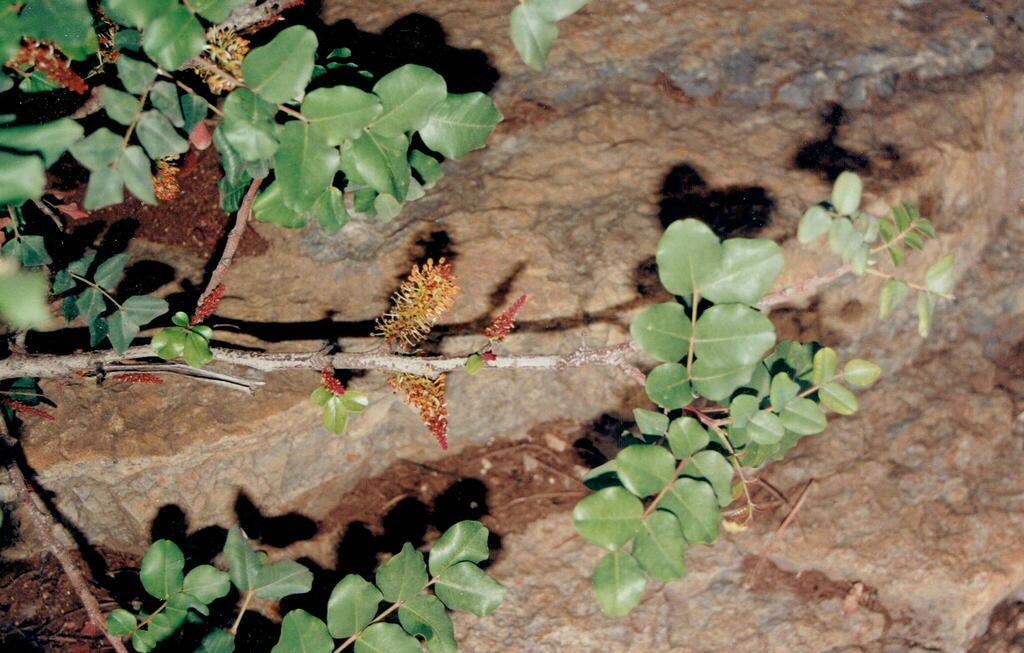
St. John's bread (Ceratonia siliqua)
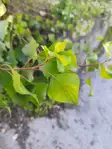
Photo: (c) zebedeugalinha, some rights reserved (CC BY) (CC BY), via iNaturalist. Species-typical, not necessarily this cultivar.

St. John's bread

Ceratonia siliqua · Fabaceae · also called Carob · Wikipedia

View Saved

Is this one for your yard?

Enter your ZIP to see whether this is legal to plant in your state, and whether it survives your winter.

Fire-resistant trees instead

Form
tree
Rated in
California; Catalonia, Spain; Córdoba, southern Spain; Global +6
On this lot

1. Fire evidence and conditions

Fire evidence
Mixed evidence — location does not change the cited classification.
Fire-performance conditions
2 conditions stated in cited fire-evidence rows.
Placement evidence
7 source placement records; source schemes remain separate.
Evidence regions
California; Catalonia, Spain; Córdoba, southern Spain; Global; Greece; Israel; Marin County, California; Tlemcen, western Algeria; Turkey; Valencia, Spain / western Mediterranean
Typed publication scope: 2 scopes across 2 cited fire sources
  • Fire Performance of Common Plants (Guide to Plants) · Official scoped edition
    • CA; partial normalized coverage · 2026-08-29

      The guide presents itself as fire performance ratings for common landscape plants in a fire-prone California setting. FireApproved publishes 104 exact owners as republished California context. It is not an independent rating, a current endorsement, or parcel suitability.

  • Fire-Resistant Plants Common to Marin County · Official scoped edition
    • Marin County (CA footprint); partial normalized coverage · 2019-01-01

      The publication is explicitly limited to plants common to Marin County. FireApproved publishes 104 exact owners as Marin regional context while retaining its placement, spacing, irrigation, and maintenance boundary. It is not statewide California guidance or parcel suitability.

2. Why this plant is relevant here

State distribution
Documented in AZ, CA, PA.
Introduced / established
2 sourced range or established records. This is not an invasive warning.

3. Legal, ecological, and broader status

How to read this page

The status above is computed from the cited rows below: independent recommendations can support a fire-resistant result, an avoid row can produce keep-away, and disagreement stays visible as conflict. Placement notes preserve each source’s own scheme rather than translating unlike rules into one scale. This is evidence about a plant, not permission to plant it in every part of the defensible space; Zone 0 remains noncombustible.

Native and introduced range evidence

These are exact U.S. botanical-area records from the cited range source. Native and introduced describe biogeographic relationship, not fire performance or planting approval. Doubtful and extinct rows stay visible but do not count as current presence.

Current native

0

exact source areas

Current introduced

1

exact source area

Qualified

0

doubtful or extinct source rows

1 introduced source area · World Checklist of Vascular Plants, version 16 v16, as of 2026-06-04
  • California (CA)

The lossless worldwide derivative is retained once in the research corpus; object pages repeat only exact U.S. areas needed by the local lens. The JSON twin carries the same page assertions.

Conditions in the fire evidence

These describe tested or rated plant material. They are not horticultural maintenance instructions.

Where its sources say to plant it

Placement rules below use each source's own distances or named zones, tied to its rating. They are not interchangeable with the directory's current Zone 0 guidance.

The evidence

Grouped by what each source concluded. Primary evidence rated the plant itself (a lab, field program, or original curation); corroboration compiled or republished another source's rating and resolves to its root lineage.

Recommends (7)

Corroboration (4 rows from 4 sources)
  • Fire-Resistant Plants Common to Marin County — Fire Safe Marin · 2019 · original source Corroboration Expert-curated lineage: partially-independent

    “listed as fire-resistant” · condition: irrigated

    Fire Safe Marin lists this taxon among fire-resistant plants common to Marin County.

  • Yanan Orman Alanlarının Rehabilitasyonu ve Yangına Dirençli Ormanlar Tesisi Projesi — 6976 Sayılı YARDOP Tamimi — Orman Genel Müdürlüğü · Circular 6976 · original source Corroboration Regulation lineage: ogm-yardop-6976

    “yangına dirençli olduğu tecrübe edilmiş harnup”

    The YARDOP circular directs managers to preserve, encourage, or use this named taxon in fire-resistant or slow-burning forest and fire-prevention plantings.

  • השרפה בהרי יהודה – 2021: ניתוח, תובנות והמלצות — Ecology and Environment / ISEES · Ecology and Environment 12(4) · original source Corroboration Expert-curated lineage: isees-judean-hills-2021-analysis

    “מיני עצים דליקים פחות מאורנים, כדוגמת — Ceratonia silique”

    The authors name this exact species as an example of a tree less flammable than pines for high, shading groves in public-use forest areas and their access roads. Printed-name correction used for exact matching: Ceratonia silique -> Ceratonia siliqua.

  • Fire Performance of Common Plants (Guide to Plants) — Diablo Firesafe Council · live page captured 2026-08-29 · original source Corroboration Mirror lineage: ucfpl-berkeley resolves to Defensible Space Landscaping in the Urban/Wildland Interface: A Compilation of Fire Performance Ratings of Residential Landscape Plants

    “Table 1: favorable fire performance rating in 3 or more references (refs 5,8,9,11,13,22,34,37,42)”

    The Diablo Firesafe Council Guide to Plants lists Ceratonia siliqua (Carob, St. John's beard) as tree, evergreen, in Table 1: plants with a favorable fire performance rating in 3 or more references. The guide cites 9 of its 57 numbered references for this row (5,8,9,11,13,22,34,37,42). The guide states the ranking terms in its underlying references were mostly undefined and makes no attempt to rank within the list, and that fire performance is compromised without maintenance.

Avoids (3)

Corroboration (1 rows from 1 source)
Listed without a rating (79)
Corroboration (79 rows from 1 source)
  • FLAMITS: FLAMmability plant traiTS database — Dryad / Global Ecology and Biogeography · Dryad version 9 · original source Corroboration Trait database lineage: meta-aggregator

    79 cited rows from this source; its identity, lineage and tier are stated once.

    • Primary study Arianoutsou1980: Arianoutsou, M., Diamantopoulus, J., & Margaris, N.S. (1980). Fire behaviour of Ceratonia siliqua. Portugaliae Acta Biologica, 16, 67-74.

      Shared row context: Ignitability measurement; plant part twigs; device muffle furnace; site Arianoutsou1980-1.

      • Shared measurement context: fuel dead; predrying no; sampling april.

        • “time to flaming (s): 15”

          FLAMITS record 371.

        • “time to flaming (s): 9.1”

          FLAMITS record 372.

        • “time to flaming (s): 7.1”

          FLAMITS record 373.

        • “time to flaming (s): 4.1”

          FLAMITS record 374.

        • “time to flaming (s): 3.4”

          FLAMITS record 375.

      • Shared measurement context: fuel dead; predrying yes; sampling april.

        • “time to flaming (s): 4.9”

          FLAMITS record 376.

        • “time to flaming (s): 3”

          FLAMITS record 377.

        • “time to flaming (s): 1.9”

          FLAMITS record 378.

        • “time to flaming (s): 1”

          FLAMITS record 379.

        • “time to flaming (s): 14.3”

          FLAMITS record 380.

        • “time to flaming (s): 7.4”

          FLAMITS record 381.

        • “time to flaming (s): 5.4”

          FLAMITS record 382.

        • “time to flaming (s): 4.1”

          FLAMITS record 383.

      • Shared measurement context: fuel dead; predrying no; sampling august.

        • “time to flaming (s): 27.67”

          FLAMITS record 384.

        • “time to flaming (s): 6.8”

          FLAMITS record 385.

        • “time to flaming (s): 6.7”

          FLAMITS record 386.

        • “time to flaming (s): 3.3”

          FLAMITS record 387.

      • Shared measurement context: fuel dead; predrying yes; sampling august.

        • “time to flaming (s): 24.5”

          FLAMITS record 388.

        • “time to flaming (s): 3.5”

          FLAMITS record 389.

        • “time to flaming (s): 3.12”

          FLAMITS record 390.

        • “time to flaming (s): 1.8”

          FLAMITS record 391.

        • “time to flaming (s): 12”

          FLAMITS record 392.

        • “time to flaming (s): 8.5”

          FLAMITS record 393.

        • “time to flaming (s): 7.2”

          FLAMITS record 394.

        • “time to flaming (s): 4.7”

          FLAMITS record 395.

      • Shared measurement context: fuel live; predrying no; sampling april.

        • “time to flaming (s): 7.7”

          FLAMITS record 396.

        • “time to flaming (s): 6”

          FLAMITS record 397.

        • “time to flaming (s): 3.5”

          FLAMITS record 398.

        • “time to flaming (s): 3.1”

          FLAMITS record 399.

      • Shared measurement context: fuel live; predrying yes; sampling april.

        • “time to flaming (s): 2.7”

          FLAMITS record 400.

        • “time to flaming (s): 1”

          FLAMITS record 401.

        • “time to flaming (s): 11.9”

          FLAMITS record 402.

        • “time to flaming (s): 11.3”

          FLAMITS record 403.

        • “time to flaming (s): 6.7”

          FLAMITS record 404.

        • “time to flaming (s): 3.9”

          FLAMITS record 405.

        • “time to flaming (s): 3.6”

          FLAMITS record 406.

        • “time to flaming (s): 7.8”

          FLAMITS record 407.

      • Shared measurement context: fuel live; predrying no; sampling august.

        • “time to flaming (s): 23”

          FLAMITS record 408.

        • “time to flaming (s): 11”

          FLAMITS record 409.

        • “time to flaming (s): 8.6”

          FLAMITS record 410.

        • “time to flaming (s): 7.8”

          FLAMITS record 411.

        • “time to flaming (s): 5.1”

          FLAMITS record 412.

        • “time to flaming (s): 4.1”

          FLAMITS record 413.

        • “time to flaming (s): 11”

          FLAMITS record 414.

        • “time to flaming (s): 4.6”

          FLAMITS record 415.

      • Shared measurement context: fuel live; predrying yes; sampling august.

        • “time to flaming (s): 6.5”

          FLAMITS record 416.

        • “time to flaming (s): 2.5”

          FLAMITS record 417.

        • “time to flaming (s): 1.9”

          FLAMITS record 418.

        • “time to flaming (s): 11.5”

          FLAMITS record 419.

        • “time to flaming (s): 10”

          FLAMITS record 420.

        • “time to flaming (s): 8.5”

          FLAMITS record 421.

        • “time to flaming (s): 6”

          FLAMITS record 422.

        • “time to flaming (s): 14”

          FLAMITS record 423.

    • Primary study Essaghi2017: Essaghi, S., Hachmi, M. H., Yessef, M., Dehhaoui, M., & El Amarty, F. (2017). Assessment of Flammability of Moroccan Forest Fuels: New Approach to Estimate the Flammability Index. Forests, 8, 443.

      Shared row context: Ignitability measurement; plant part twigs; fuel all; predrying no; device epiradiator; site Essaghi2017-2; sampling january.

      • “flammability value: 9.4”

        FLAMITS record 3305.

      • “flammability value: 14.85”

        FLAMITS record 3318.

    • Primary study Henaoui2013: Henaoui, S. E. -A., Bouazza, M., & Amara, M. (2013). The fire risk of the plant groupings with Cistus in the area of Tlemcen (Western Algeria). European Scientific Journal, 9, 84-103.

      Shared row context: plant part twigs; fuel live; predrying yes; device infrared burner; site Henaoui2013-1; sampling spring.

      • “flame height (cm): 36.2”

        FLAMITS record 4877; Combustibility measurement.

      • “time to flaming (s): 39.97”

        FLAMITS record 4915; Ignitability measurement.

      • “burning duration (s): 137.81”

        FLAMITS record 4953; Sustainability measurement.

    • Primary study Kauf2014: Kauf, Z., Fangmeier, A., Rosavec, R., & Španjol, Ž. (2014). Testing Vegetation Flammability: The Problem of Extremely Low Ignition Frequency and Overall Flammability Score. Journal of Combustion, 2014, 1-10.

      Shared row context: plant part litter; fuel all; predrying no; device epiradiator; site Kauf2014-1; sampling may.

      • Shared measurement context: Ignitability measurement.

        • “time to flaming (s): 14.75”

          FLAMITS record 5556.

        • “temperature at flaming (°C): 419.2”

          FLAMITS record 5572.

      • “maximum flame temperature (°C): 556.2”

        FLAMITS record 5564; Combustibility measurement.

      • Shared measurement context: Sustainability measurement.

        • “flaming duration (s): 32.7”

          FLAMITS record 5580.

        • “burning duration (s): 47.45”

          FLAMITS record 5588.

    • Primary study Kauf2015: Kauf, Z., Fangmeier, A., Rosavec, R., & Španjol, Ž. (2015). Seasonal and local differences in leaf litter flammability of six Mediterranean tree species. environmental management, 55, 687-701.

      Shared row context: plant part litter; fuel all; predrying no; device epiradiator; sampling may, july, september and october.

      • “maximum flame temperature (°C): 559.8”

        FLAMITS record 5596; Combustibility measurement; site Kauf2015-1.

      • “temperature at flaming (°C): 416.85”

        FLAMITS record 5602; Ignitability measurement; site Kauf2015-1.

      • “time to flaming (s): 15.98”

        FLAMITS record 5610; Ignitability measurement; site Kauf2015-2.

      • “time to flaming (s): 15.56”

        FLAMITS record 5611; Ignitability measurement; site Kauf2015-3.

      • Shared measurement context: Sustainability measurement; site Kauf2015-2.

        • “flaming duration (s): 28.29”

          FLAMITS record 5626.

        • “burning duration (s): 44.12”

          FLAMITS record 5642.

      • Shared measurement context: Sustainability measurement; site Kauf2015-3.

        • “flaming duration (s): 33.63”

          FLAMITS record 5627.

        • “burning duration (s): 48.86”

          FLAMITS record 5643.

    • Primary study Molina2017: Molina, J. R., Martín, T., Rodríguez Y Silva, F., & Herrera, M. Á. (2017). The ignition index based on flammability of vegetation improves planning in the wildland-urban interface: A case study in Southern Spain. Landscape and Urban Planning, 158, 129-138.

      Shared row context: plant part leaves; fuel live; predrying no; device epiradiator; site Molina2017-1; sampling summer.

      • Shared measurement context: Ignitability measurement.

        • “time to flaming (s): 10.86”

          FLAMITS record 9293.

        • “flammability value: 5”

          FLAMITS record 9329.

      • “flaming duration (s): 8.42”

        FLAMITS record 9311; Sustainability measurement.

    • Primary study Guney2022: Güney, C. O., Sar?, A., Cekim, H. O., Küçüksille, E. U., ?entürk, Ö., Gülsoy, S., & Özkan, K. (2022). An advanced approach for leaf flammability index estimation. International journal of wildland fire, 31, 277-290.

      Shared row context: plant part leaves; fuel live; predrying no; device calorimeter; site Guney2022-1; sampling may and september 2017.

      • Shared measurement context: Ignitability measurement.

        • “temperature at flaming (°C): 344.9”

          FLAMITS record 16650.

        • “time to flaming (s): 22.7”

          FLAMITS record 16651.

      • “flame height (cm): 52.7”

        FLAMITS record 16652; Combustibility measurement.

      • “burning duration (s): 12.5”

        FLAMITS record 16653; Sustainability measurement.

      • “burnt biomass (%): 8.1”

        FLAMITS record 16654; Consumability measurement.
Fire-resistant trees instead

Fire-resistant trees listed above

Last verified 2026-08-23. JSON (CC BY 4.0)

Profiles: USDA PLANTS · GBIF · iNaturalist · Wikidata · Wikipedia · ITIS

Ceratonia siliqua (Carob). FireApproved. https://fireapproved.com/plants/ceratonia-siliqua/. Last verified 2026-08-23.