Home / Guides / Plants by growth form / Fire-resistant ground covers: living plants past Zone 0
Fire-resistant ground covers: living plants past Zone 0

“Fire-resistant ground cover” is two questions wearing one phrase. Inside five feet of the house the answer is not a plant: IBHS Wildfire Prepared, Oregon’s State Fire Marshal and CAL FIRE all want noncombustible ground there, gravel, decomposed granite, pavers or stone. From five feet out, the published lists this site records rate 88 living ground covers fire-resistant, stonecrop first at 26 independent lists, and condemn the creeping junipers.
You are looking at the ground between the foundation and the lawn, wondering what to put down instead of bark. The first five feet are settled by the documents below. Past them, the roll on this page is the lists’ own verdicts, counted.
Why it matters
Ground cover is the fuel embers land in. That is why the five-foot band is called Zone 0 and why every document that names it wants it inert: IBHS removes vegetation and combustible groundcover there to bare mineral soil, Oregon’s fire marshal says river rock, gravel or pavers and names junipers as the plants to pull, CAL FIRE says gravel, decomposed granite, pavers, concrete or stone. Fire-resistant mulch covers the same band from the mulch side. Beyond it, a low, well-watered ground cover is what the lists recommend in Zone 1, and a resinous, litter-holding one is what they tell you to keep away.
How the rating is made
Every ground-cover record carries the verdict of each list that names it, in that list’s words. The record is fire-resistant when the balance of independent primary evidence recommends it, keep-away when the balance condemns it, a conflict when the lists disagree, and a candidate when no list has spoken in either direction. The roll orders records by how many independent lists agree; that is a count, and anyone can check it on the record.
What the published lists say about ground covers
88 fire-resistant 5 keep away 0 documented conflict 59 awaiting a directional source
Rated fire-resistant by the most independent lists
-
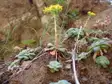 stonecrop Sedum Fire-resistant
 -
 snow in summer Cerastium tomentosum Fire-resistant
 -
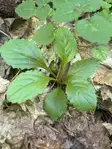 common bugle Ajuga reptans Fire-resistant
 -
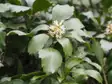 Japanese pachysandra Pachysandra terminalis Fire-resistant
 -
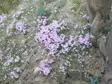 moss phlox Phlox subulata Fire-resistant
 -
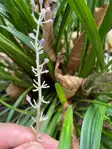 big blue lilyturf Liriope muscari Fire-resistant
 -
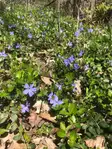 common periwinkle Vinca minor Fire-resistant
 -
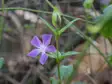 bigleaf periwinkle Vinca major Fire-resistant
 -
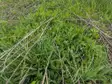 European lily of the valley Convallaria majalis Fire-resistant
 -
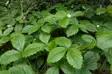 strawberry Fragaria Fire-resistant
 -
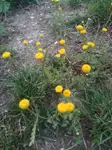 lavender cotton Santolina chamaecyparissus Fire-resistant
 -
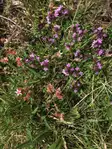 mother of thyme Thymus praecox Fire-resistant
 -
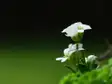 rockcress Arabis Fire-resistant
 -
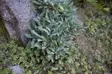 basket of gold Aurinia saxatilis Fire-resistant
 -
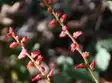 Echeveria spp. Echeveria spp. Fire-resistant
 -
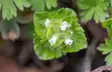 speedwell Veronica Fire-resistant
 -
 deadnettle Lamium Fire-resistant
 -
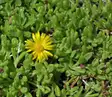 Delosperma nubigenum Delosperma nubigenum Fire-resistant
 -
 dwarf lilyturf Ophiopogon japonicum Fire-resistant
 -
 prostrate ceanothus Ceanothus prostratus Fire-resistant
Ground covers the lists say to keep away from structures
creeping juniper , Creeping Juniper , Matricaria tchihatchewii , temple juniper , turkey tangle fogfruit .
What people mix up
- Ground cover means the plant. In the first five feet it means the surface, and the documents want it noncombustible. A fire-resistant plant does not go there (why).
- Creeping juniper is a fire-resistant ground cover. Four independent lists say the opposite, and Oregon’s fire marshal names junipers as the plants to remove from the buffer. Juniper or redcedar sorts the look-alikes.
- Artificial turf is hardscape. It is not, under the documents that name it.
- Fire-retardant and fire-resistant are the same word. Retardant is a treatment applied to wood or a chemical applied to a fire; resistant is how the lists describe a plant that resists ignition when maintained. No plant is retardant.
How to check
- Measure five feet from the wall and from attached decks. Inside it, the surface is gravel, decomposed granite, pavers or stone.
- From five feet out, open the record for anything you are considering. The chips are the independent lists and their direction; the evidence table quotes each.
- Check the cited range. The Grow pages and the state table below hold the plants documented for a place.
- Keep it low and watered. The lists rate plants as maintained; a dry mat of anything burns.
Limits
This page does not rate gravel or pavers; they are material classes with no listing. It does not decide irrigation or spacing. The lists are regional, and a rating written for the Pacific Northwest says nothing about Florida. The site issues no rating of its own; every status is a computation over the lists named on the record.
Plant records this page rests on
- stonecrop Sedum Fire-resistant
- snow in summer Cerastium tomentosum Fire-resistant
- common bugle Ajuga reptans Fire-resistant
- Japanese pachysandra Pachysandra terminalis Fire-resistant
- moss phlox Phlox subulata Fire-resistant
- common periwinkle Vinca minor Fire-resistant
-
 creeping juniper Juniperus horizontalis Keep away
Questions
What is the best ground cover for fire protection?
Two answers, for two bands. Inside five feet of the house the documents on this site want noncombustible ground cover, gravel, decomposed granite, pavers or stone, and no plant at all. From five feet out, the living ground covers with the widest agreement on the published lists are stonecrop (26 independent lists), snow-in-summer (20), ajuga (16), Japanese pachysandra (15) and creeping phlox (13).
What are some good fire-retardant ground cover plants?
No plant is fire-retardant; that word belongs to treated wood and to chemicals. The lists rate plants fire-resistant, meaning they resist ignition when maintained and watered, and the roll above shows the 88 ground covers that carry that rating, with the number of lists behind each.
Is gravel a fire-resistant ground cover?
Gravel is noncombustible, which is stricter than fire-resistant. It is what IBHS Wildfire Prepared, Oregon's State Fire Marshal and CAL FIRE name for the first five feet, alongside decomposed granite, pavers, concrete and stone. It carries no listing and needs none.
Are creeping junipers fire resistant?
No, by the lists on record. Four independent lists condemn creeping juniper, and Japanese garden juniper and shore juniper carry the same verdict. Oregon's State Fire Marshal names junipers as the flammable plants to remove from the five-foot buffer. The juniper genus hub shows how the evidence differs across the genus.