Enter your ZIP to see whether this is legal to plant in your state, and whether it survives your winter.
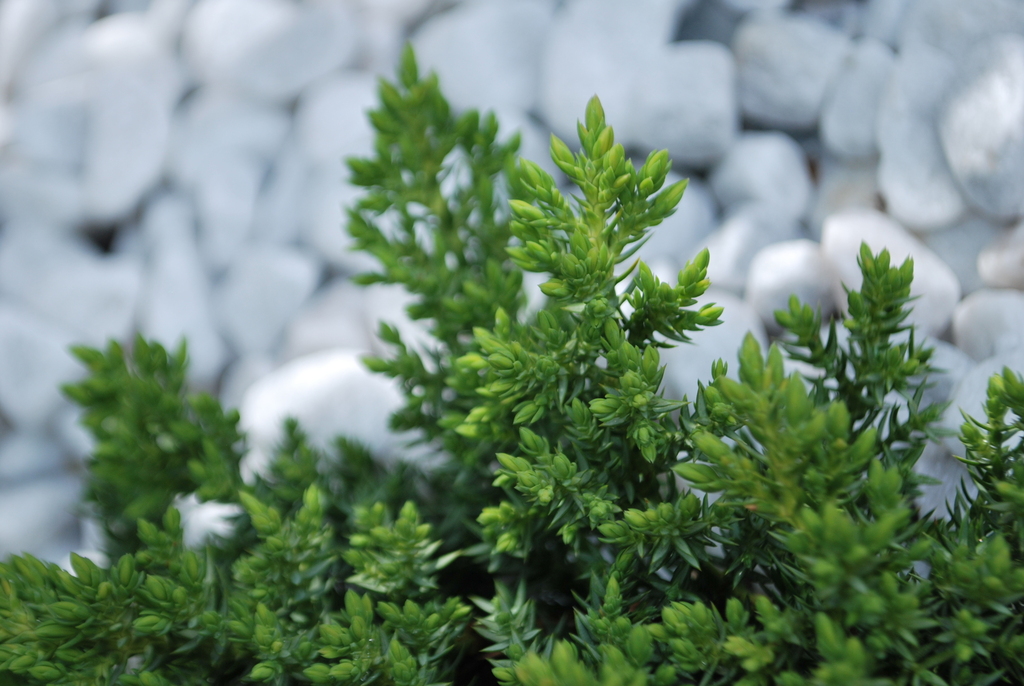
Japanese garden juniper is highly flammable according to Ohio and Virginia extension guidance.
Ohio's bulletin places it in band H, one step below VH on a five-part scale. Virginia also assigns H, but uses only three bands, making H its highest category. The identical letter therefore occupies a different position in each system while carrying the same unfavorable direction for this juniper.
The Ohio authors base their ratings on experience. Alongside the fire assessment, they describe a plant that grows in many soil types but needs good drainage and full sun. Those growing requirements help identify a suitable horticultural site; they do not change its high rating.
For this member of the cypress family, the two regional assessments agree on the relevant landscaping decision. Its usefulness as a groundcover comes with an adverse fire assessment when choosing plants around a building.
Ohio State University Extension Bulletin 921 is an Ohio publication that describes Ohio fire seasons and landscape conditions and labels nativity to Ohio. FireApproved publishes 352 exact source-owning plant records from its eight rated tables. This historical publication scope does not assert current extension endorsement or that a listed plant suits every Ohio site.
Virginia Cooperative Extension's publication opens with Virginia wildfire conditions, identifies its Virginia Firewise Landscaping Task Force, and labels plants native to Virginia. FireApproved publishes 306 exact source owners. Publication scope does not establish parcel suitability or current endorsement of this archived 2009 list.
2. Why this plant is relevant here
State distribution
Documented in OH.
Native range
Introduced / established
USDA hardiness
3. Legal, ecological, and broader status
Legal-list status
Seed-list status
Reported invasive here
Broader regional context
Federal context
How to read this page
The status above is computed from the cited rows below: independent recommendations can support a fire-resistant result, an avoid row can produce keep-away, and disagreement stays visible as conflict. Placement notes preserve each source’s own scheme rather than translating unlike rules into one scale. This is evidence about a plant, not permission to plant it in every part of the defensible space; Zone 0 remains noncombustible.
The evidence
Grouped by what each source concluded. Primary evidence rated the plant itself
(a lab, field program, or original curation); corroboration compiled or
republished another source's rating and resolves to its root lineage.