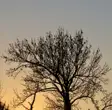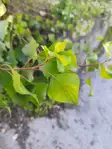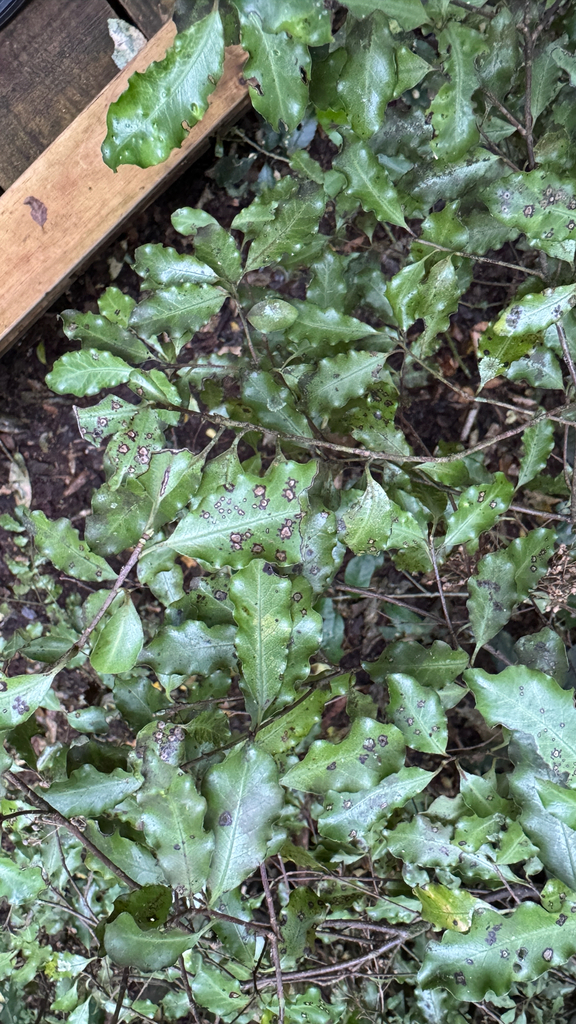
tawhiwhi
Pittosporum tenuifolium
A genus split is not a placement verdict.
Is this one for your yard?
Enter your ZIP to see whether this is legal to plant in your state, and whether it survives your winter.
- Form
- tree
- Rated in
- Global; New Zealand
United States / Grow / tawhiwhi
Pittosporum tenuifolium
A genus split is not a placement verdict.
Is this one for your yard?
Enter your ZIP to see whether this is legal to plant in your state, and whether it survives your winter.
The status above is computed from the cited rows below: independent recommendations can support a fire-resistant result, an avoid row can produce keep-away, and disagreement stays visible as conflict. Placement notes preserve each source’s own scheme rather than translating unlike rules into one scale. This is evidence about a plant, not permission to plant it in every part of the defensible space; Zone 0 remains noncombustible.
These are exact U.S. botanical-area records from the cited range source. Native and introduced describe biogeographic relationship, not fire performance or planting approval. Doubtful and extinct rows stay visible but do not count as current presence.
Current native
exact source areas
Current introduced
exact source area
Qualified
doubtful or extinct source rows
A quantitative assessment of shoot flammability for 60 tree and shrub species
“Moderate flammability category (Fig. 2)”
Shoot category from the paper's cluster analysis; samples were air-dried for 24 hours before testing.
FLAMITS: FLAMmability plant traiTS database
Primary study Cui2020a: Cui, X., Paterson, A. M., Wyse, S. V., Alam, M. A., Maurin, K. J. L., Pieper, R., ... Curran, T. J. (2020a). Shoot flammability of vascular plants is phylogenetically conserved and related to habitat fire-proneness and growth form. Nature Plants, 6, 355-359.
“ignition frequency (%): 88.2”
FLAMITS record 1469; Ignitability measurement.
“maximum sample temperature (°C): 333”
FLAMITS record 1663; Combustibility measurement.
“burning duration (s): 6.6”
FLAMITS record 1857; Sustainability measurement.
“estimated burnt biomass (%): 12.7”
FLAMITS record 2051; Consumability measurement.
Primary study Mason2016: Mason, N. W. H., Frazao, C., Buxton, R. P., & Richardson, S. J. (2016). Fire form and function: evidence for exaptive flammability in the New Zealand flora. Plant Ecology, 217, 645-659.
“temperature at smoke (°C): 161.36”
FLAMITS record 8481.
“temperature at smoke (°C): 149.1”
FLAMITS record 8482.
“temperature at flaming (°C): 232”
FLAMITS record 8696.
“temperature at flaming (°C): 162.72”
FLAMITS record 8697.
“temperature increase rate (°C/s): 36.92”
FLAMITS record 8911.
“temperature increase rate (°C/s): 22.31”
FLAMITS record 8912.
Primary study Wyse2016: Wyse, S. V., Perry, G. L. W., O'Connell, D. M., Holland, P. S., Wright, M. J., Hosted, C. L., ... Curran, T. J. (2016). A quantitative assessment of shoot flammability for 60 tree and shrub species supports rankings based on expert opinion. International Journal of Wildland Fire, 25, 466-477.
“ignition frequency (%): 80”
FLAMITS record 14367; Ignitability measurement.
“maximum sample temperature (°C): 272.7”
FLAMITS record 14427; Combustibility measurement.
“burning duration (s): 5.3”
FLAMITS record 14487; Sustainability measurement.
“estimated burnt biomass (%): 9”
FLAMITS record 14547; Consumability measurement.
Primary study Murray2023: Murray, B. R., Hawthorne, T., Curran, T. J., Krix, D. W., Wallace, M. I., Young, K., ... & Webb, J. K. (2023). Shoot flammability patterns among plant species of the wildlandurban interface in the fire-prone Greater Blue Mountains World Heritage Area. International Journal of Wildland Fire, Online early.
“time to flaming (s): 2.8”
FLAMITS record 19441; Ignitability measurement.
“burning duration (s): 2.2”
FLAMITS record 19442; Sustainability measurement.
“maximum flame temperature (°C): 198”
FLAMITS record 19443; Combustibility measurement.
“estimated burnt biomass (%): 2.6”
FLAMITS record 19444; Consumability measurement.