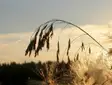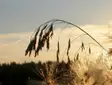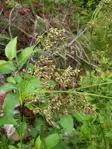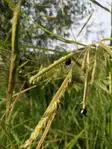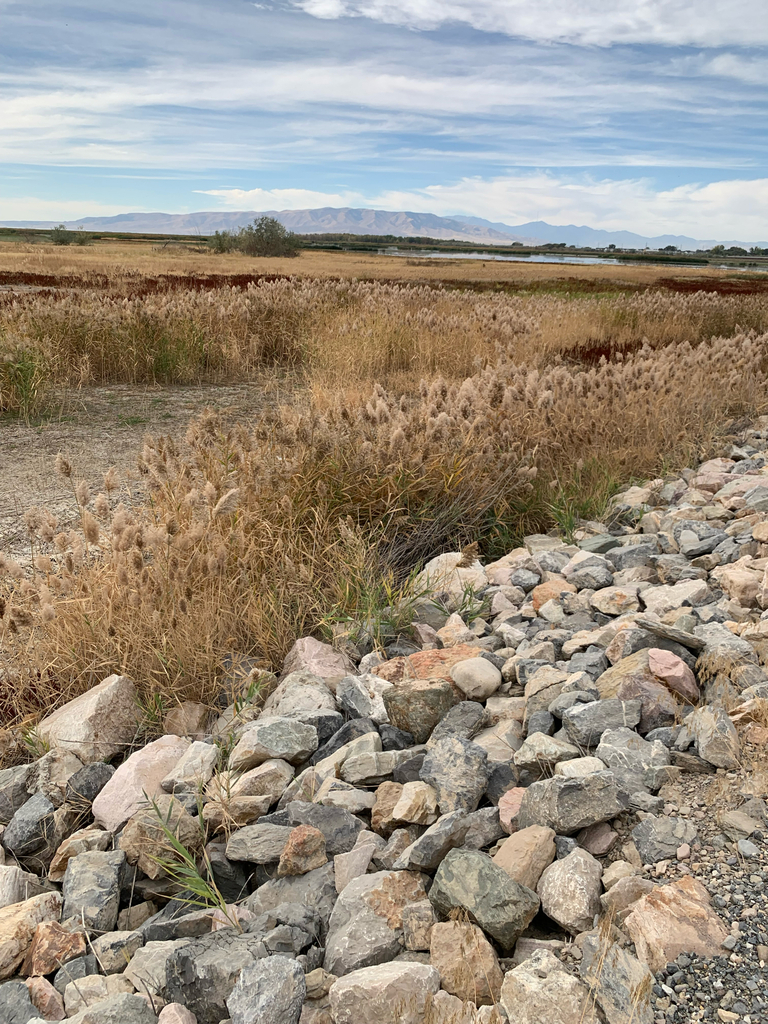
common reed
Phragmites australis
A genus split is not a placement verdict.
Is this one for your yard?
Enter your ZIP to see whether this is legal to plant in your state, and whether it survives your winter.
Common reed is highly flammable; keep it away from structures.
The USDA Forest Service Northeastern Area and state Firewise programs rate common reed “Not Firewise,” category four on their four-level scale. The programs describe dead foliage retained all winter, fast spread and seed easily carried by wind. Ohio State University Extension reaches the same practical conclusion, giving the plant a “VH” rating at the top of its five-point flammability scale. Ohio State also describes it as invasive, especially in moist soils, and tolerant of full sun.
A laboratory result adds a measurement, not another recommendation. FLAMITS reports a calorific value of 4,096.55 kilocalories per kilogram for litter dried before testing in a calorimeter. Because its measurements cover different variables, devices, and plant parts without a shared threshold, it does not turn that number into a resistant-or-flammable verdict.
Common reed is a grass reaching about 10 feet at maturity. The clearest reason for concern is its persistent dead winter foliage, backed by two fire-safety sources that place it at the unsafe end of their scales.
- Form
- grass
- Mature height
- ~10 ft
- Light
- Full sun
- Water need
- moderate
- Rated in
- Global; Ohio / Midwest; eastern US