Enter your ZIP to see whether this is legal to plant in your state, and whether it survives your winter.
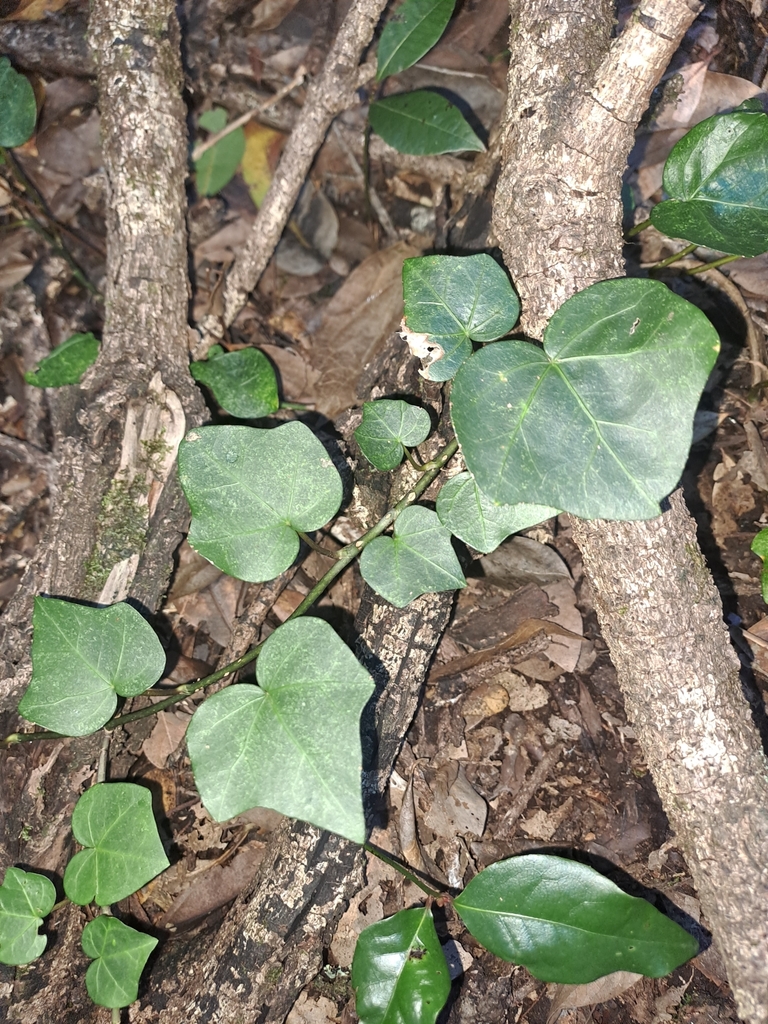
Hedera canariensis checks Landscape for Fire Protection. Then Time to extinguish the exotic flame: on Hedera canariensis. This is not one slogan — Hedera canariensis. The distinctive work on Hedera canariensis is holding those facts together. Landscape for Fire Protection does not replace Time to extinguish the exotic flame: Lessons from the 2021 Cape Town fire on Hedera canariensis.
California; Cape Town, Western Cape, South Africa; Southern California; Valencia, Spain / western Mediterranean
Maintenance
2. Why this plant is relevant here
State distribution
Documented in CA.
Native range
Introduced / established
USDA hardiness
3. Legal, ecological, and broader status
Legal-list status
Seed-list status
Reported invasive here
Broader regional context
Federal context
How to read this page
The status above is computed from the cited rows below: independent recommendations can support a fire-resistant result, an avoid row can produce keep-away, and disagreement stays visible as conflict. Placement notes preserve each source’s own scheme rather than translating unlike rules into one scale. This is evidence about a plant, not permission to plant it in every part of the defensible space; Zone 0 remains noncombustible.
Conditions in the fire evidence
These describe tested or rated plant material. They are not horticultural maintenance instructions.
Placement rules below use each source's own distances or named zones, tied to its rating.
They are not interchangeable with the directory's current Zone 0 guidance.
Fire-Retardant Plants for Brush Fire Prevention in Hillsi…: Category 4 [la-arboretum-1970-leaf-moisture-fire-retardance] (with its recommendation)
Landscape for Fire Protection: irrigated hillsides [maire-1968-fire-protection-landscape] (with its recommendation)
Time to extinguish the exotic flame: Lessons from the 202…: Urban zone; Table 1 and deposited raw workbook [macalister-2025-leaf-flammability] (mid-scale rating)
The evidence
Grouped by what each source concluded. Primary evidence rated the plant itself
(a lab, field program, or original curation); corroboration compiled or
republished another source's rating and resolves to its root lineage.
“CATEGORY 4 — LEAST FIRE RETARDANCE Plants with medium leaf moisture content capacity (60-70%)”
· condition: green
Hedera canariensis (Algerian Ivy) is one of 30 low-growing plants in the source's recommended Table 1. The category reflects leaf moisture capacity under normal garden conditions at the Arboretum.
Hedera canariensis (Algerian ivy) appears in the source's conditioned examples for landscaping irrigated hillsides. Fuel volume is to be minimized, plants watered to their needs, and accumulated litter removed.