Enter your ZIP to see whether this is legal to plant in your state, and whether it survives your winter.
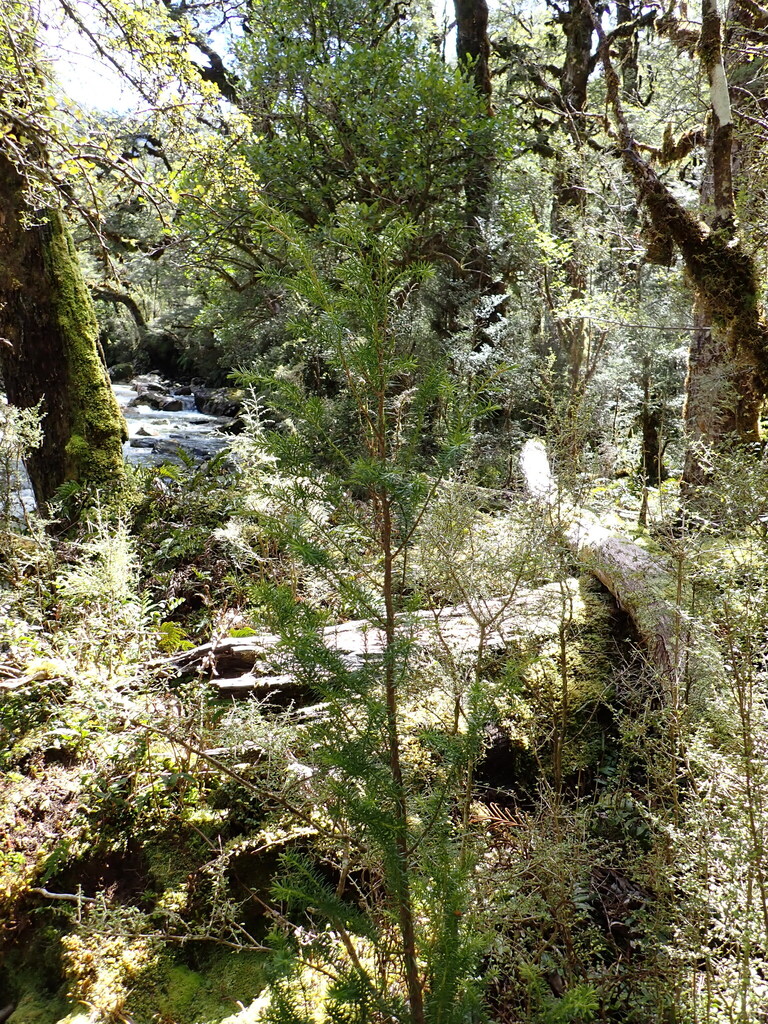
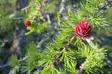
Halocarpus biformis is a keep away on this record. Its rating reason is limited evidence from this file, not a copied sibling verdict. That is the whole distinctive pair: keep away plus a thin citation stack.
The related plants of the same form sit beside that keep away so a substitute can be checked without treating the genus as one class. This record does not borrow a moisture condition or a legal list.
Open evidence for the rows behind Halocarpus biformis. The related list is a separate job from those rows.
Highly flammable — location does not change the cited classification.
Fire-performance conditions
Fire ecology context
Placement evidence
Evidence regions
New Zealand
Maintenance
2. Why this plant is relevant here
State distribution
Native range
Introduced / established
USDA hardiness
3. Legal, ecological, and broader status
Legal-list status
Seed-list status
Reported invasive here
Broader regional context
Federal context
How to read this page
The status above is computed from the cited rows below: independent recommendations can support a fire-resistant result, an avoid row can produce keep-away, and disagreement stays visible as conflict. Placement notes preserve each source’s own scheme rather than translating unlike rules into one scale. This is evidence about a plant, not permission to plant it in every part of the defensible space; Zone 0 remains noncombustible.
The evidence
Grouped by what each source concluded. Primary evidence rated the plant itself
(a lab, field program, or original curation); corroboration compiled or
republished another source's rating and resolves to its root lineage.
Avoids (1)
Low Flammability Plants directory — Fire and Emergency New Zealand (plant flammability testing at Lincoln University) · 2026 · original sourcePrimary evidenceLab-testedlineage: lincoln-nz-tree