United States / Grow / Wheatgrass
Wheatgrass
Yes, seven of the seven assessed members of the wheatgrass genus are rated fire resistant.
The agreement includes western wheatgrass, the most-studied member, and crested wheatgrass, both supported by a substantial body of assessment. Desert wheatgrass reaches the same verdict on a handful of assessments.
The reasons are not identical for every species, but a pattern does recur. Assessments for three members mention fine foliage, while those for two members point to maintenance and irrigation. Western and crested wheatgrass are specifically described as firewise when properly used and maintained. That qualification matters: the resistant rating does not mean that care and growing conditions are irrelevant.
Wheatgrasses are grasses in the Poaceae family. Among the three members with hardiness information, the span runs from USDA zones 2b to 4a. Other names associated with Agropyron include Siberian, intermediate and bluebunch wheatgrass, but a shared genus name alone does not establish an individual rating. The sound conclusion is narrower and still reassuring: every wheatgrass species actually assessed has landed on the fire-resistant side, with the clearest support behind western wheatgrass and crested wheatgrass.
Fire-resistant: 7 species
-
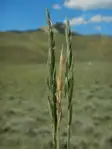 western wheatgrass Fire-resistant Agropyron smithii
 -
 crested wheatgrass Fire-resistant Agropyron cristatum
 -
 bluebunch wheatgrass Fire-resistant Agropyron spicatum
 - desert wheatgrass Fire-resistant Agropyron desertorum
- Siberian wheatgrass Fire-resistant Agropyron fragile
- intermediate wheatgrass Fire-resistant Agropyron intermedium
- intermediate wheatgrass Fire-resistant Agropyron trichophorum
About wheatgrass
Directory notes
More about Agropyron: Wikipedia — external references; not evidence sources.