Enter your ZIP to see whether this is legal to plant in your state, and whether it survives your winter.
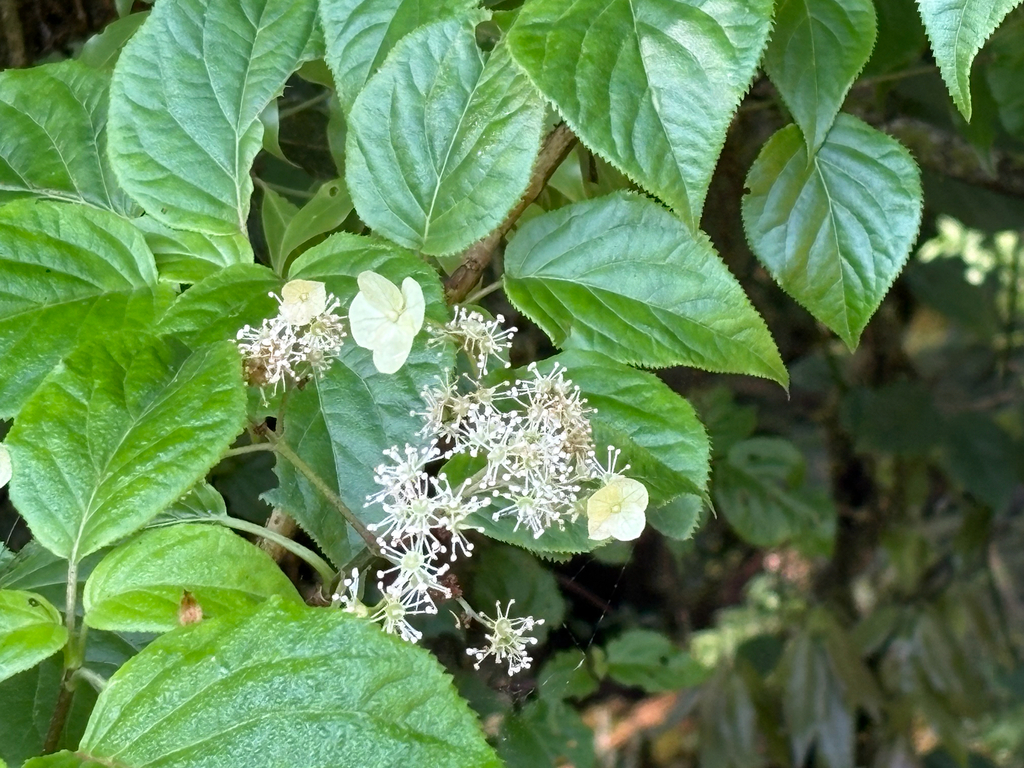
Climbing hydrangea cannot be called clearly fire resistant because three plant guides reach opposite conclusions.
Two of the three sources favor it. Virginia Cooperative Extension gives the vine an L, the least flammable rating on its three-point scale, while FireSmart BC approves it as a fire-resistant plant. Ohio State University Extension assigns it an H on a five-band scale, one step below the highest flammability band and a rating that means avoid. The disagreement is therefore substantial, not a minor difference in wording.
The ratings also come from different systems and regions. Ohio State’s Midwest guidance and Virginia Tech’s Mid-Atlantic guidance are expert judgments, but they use different scales. FireSmart BC compiles approved plants for British Columbia using a yes-or-no framework rather than either letter scale. These sources do not provide one shared measurement that could settle the conflict. Ohio State and Virginia agree that climbing hydrangea is slow to establish, and Virginia adds that it requires support, but neither trait resolves the opposed fire ratings.
Climbing hydrangea is a vine in the Hydrangeaceae family, and Ohio State notes that it becomes large with time. Someone choosing it near a home should treat its fire resistance as uncertain: Virginia and British Columbia support its use, while Ohio State places it firmly among plants to avoid.
Ohio State University Extension Bulletin 921 is an Ohio publication that describes Ohio fire seasons and landscape conditions and labels nativity to Ohio. FireApproved publishes 352 exact source-owning plant records from its eight rated tables. This historical publication scope does not assert current extension endorsement or that a listed plant suits every Ohio site.
Virginia Cooperative Extension's publication opens with Virginia wildfire conditions, identifies its Virginia Firewise Landscaping Task Force, and labels plants native to Virginia. FireApproved publishes 306 exact source owners. Publication scope does not establish parcel suitability or current endorsement of this archived 2009 list.
2. Why this plant is relevant here
State distribution
Documented in OH.
Native range
Introduced / established
USDA hardiness
3. Legal, ecological, and broader status
Legal-list status
Seed-list status
Reported invasive here
Broader regional context
Federal context
How to read this page
The status above is computed from the cited rows below: independent recommendations can support a fire-resistant result, an avoid row can produce keep-away, and disagreement stays visible as conflict. Placement notes preserve each source’s own scheme rather than translating unlike rules into one scale. This is evidence about a plant, not permission to plant it in every part of the defensible space; Zone 0 remains noncombustible.
Where its sources say to plant it
Placement rules below use each source's own distances or named zones, tied to its rating.
They are not interchangeable with the directory's current Zone 0 guidance.
FireSmart BC Plant Program: suitable for HIZ intermediate zone (10-30 m) [FireSmart BC Home Ignition Zone] (with its recommendation)
The evidence
Grouped by what each source concluded. Primary evidence rated the plant itself
(a lab, field program, or original curation); corroboration compiled or
republished another source's rating and resolves to its root lineage.