United States / Grow / Alders
Alders
Most assessed alders are fire resistant, but not every alder should be treated that way.
Of 13 assessed members, eight are rated fire resistant, three were assessed without the sources taking a side, and two are rated keep away. The exceptions are Alnus mandshurica and Caucasian alder, each rated keep away on a handful of assessments. Mountain alder, white alder, and red alder are each rated fire resistant on a handful of assessments.
The favorable findings repeatedly mention deciduous foliage, maintenance, and irrigation. Mountain alder and red alder are described as deciduous in Oregon guidance, which says most listed plants require irrigation during Oregon’s dry summer months. White alder received a favorable fire-performance rating based on several references, while hazel alder was described as suited to warmer wet land areas. These findings support particular members under stated growing conditions, not a rule that covers the entire genus.
Alders include both trees and shrubs. Among six measured members, mature height ranges from about 10 to 90 feet; among four zoned members, hardiness spans USDA zones 2a to 6a. The practical answer is to check the species: most assessed alders land on the resistant side, but the two exceptions make the name “alder” alone insufficient.
 Rated as a group: alder Alnus Fire-resistant Consensus 5 sources rate the genus as a
whole. Species evidence never rolls upward into a genus verdict, and genus claims never
override a species record.
›
Rated as a group: alder Alnus Fire-resistant Consensus 5 sources rate the genus as a
whole. Species evidence never rolls upward into a genus verdict, and genus claims never
override a species record.
› Fire-resistant: 7 species
-
 hazel alder Fire-resistant Alnus serrulata
 -
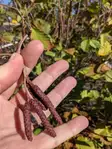 mountain alder Fire-resistant Alnus incana ssp. tenuifolia
 -
 red alder Fire-resistant Alnus rubra
 -
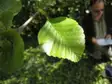 white alder Fire-resistant Alnus rhombifolia
 -
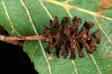 European alder Fire-resistant Alnus glutinosa
 -
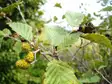 speckled alder Fire-resistant Alnus rugosa (or serrulata)
 -
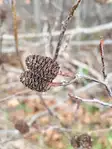 Italian alder Fire-resistant Alnus cordata
Keep away: 2 species
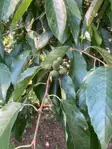
Awaiting evidence: 3 species
-
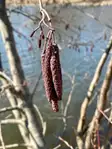 gray alder Awaiting evidence Alnus incana
 - Manchurian Alder Awaiting evidence Alnus hirsuta
- Alnus crispa Awaiting evidence Alnus crispa
About alders
Directory notes
More about Alnus: Wikipedia — external references; not evidence sources.