Current native
46
exact source areas
Home / Plants / Grow / Fescue, Chewings
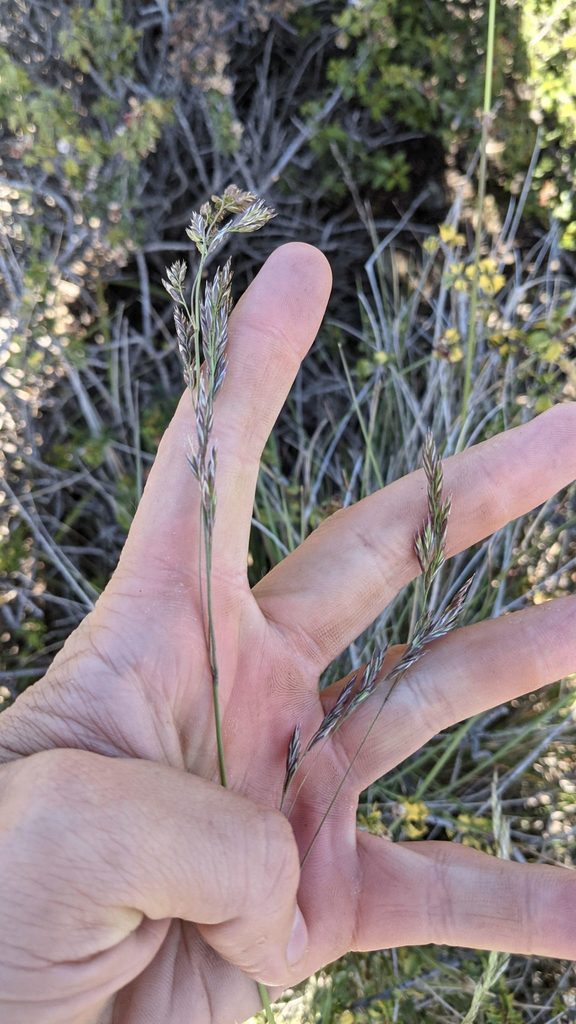
Festuca rubra
Your local evidence lens
A genus split is not a placement verdict. Set a ZIP to read the local documented split.
The status above is computed from the cited rows below: independent recommendations can support a fire-resistant result, an avoid row can produce keep-away, and disagreement stays visible as conflict. Placement notes preserve each source’s own scheme rather than translating unlike rules into one scale. This is evidence about a plant, not permission to plant it in every part of the defensible space; Zone 0 remains noncombustible.
These are exact U.S. botanical-area records from the cited range source. Native and introduced describe biogeographic relationship, not fire performance or planting approval. Doubtful and extinct rows stay visible but do not count as current presence.
Current native
exact source areas
Current introduced
exact source areas
Qualified
doubtful or extinct source rows
USDA PLANTS Database — Plant Characteristics
Minimum 3b · no upper limit documented
FireSmart BC Plant Program — fire-resistant plant chart
“FireSmart-approved fire-resistant plant”
Fire-Resistant Plants Common to Marin County
“listed as fire-resistant”
Fire Safe Marin lists this taxon among fire-resistant plants common to Marin County.
Fire-Resistant Plants for Montana Landscapes (MontGuide MT200101AG)
“listed fire-resistant”
Listed among fire-resistant plant species adapted to Montana.
Home Landscaping Guide for Lake Tahoe and Vicinity (Ed. Bulletin 06-01)
“low — Fescue, hard — Festuca ovina var. duriuscala | Fescue, red — Festuca rubra”
Table 1's Fire Hazard column prints “low” for this taxon. The guide calls the rating a rough estimate of potential flammability, not a result of scientific trials. Its footnote says plants that turn brown often become high fire hazards and tells readers to mow grasses and forbs when they begin to turn brown. The turfgrass note says the low rating depends on consistent irrigation and mowing.
“RECOMMENDED by 8 references for use in high fire risk areas.”
1997 Landscape Vegetation Database row: Festuca rubra (Red fescue). Preserved UCFPL transcription marker: F8.
FLAMITS: FLAMmability plant traiTS database
“time to flaming (s): 1.24”
FLAMITS record 15941; Ignitability measurement; plant part whole plant; fuel live; predrying no; device burning bench; site Gao2022-1; sampling spring 2019. Primary study Gao2022: Gao, X., & Schwilk, D. W. (2022). Burn hot or tolerate trees: flammability decreases with shade tolerance in grasses. Oikos, 4, e08930.
“flaming duration (s): 28.226”
FLAMITS record 15942; Sustainability measurement; plant part whole plant; fuel live; predrying no; device burning bench; site Gao2022-1; sampling spring 2019. Primary study Gao2022: Gao, X., & Schwilk, D. W. (2022). Burn hot or tolerate trees: flammability decreases with shade tolerance in grasses. Oikos, 4, e08930.
“smouldering duration (s): 101.552”
FLAMITS record 15943; Sustainability measurement; plant part whole plant; fuel live; predrying no; device burning bench; site Gao2022-1; sampling spring 2019. Primary study Gao2022: Gao, X., & Schwilk, D. W. (2022). Burn hot or tolerate trees: flammability decreases with shade tolerance in grasses. Oikos, 4, e08930.
“flame height (cm): 63.8”
FLAMITS record 15944; Combustibility measurement; plant part whole plant; fuel live; predrying no; device burning bench; site Gao2022-1; sampling spring 2019. Primary study Gao2022: Gao, X., & Schwilk, D. W. (2022). Burn hot or tolerate trees: flammability decreases with shade tolerance in grasses. Oikos, 4, e08930.
“time to flaming (s): 1.094”
FLAMITS record 15945; Ignitability measurement; plant part whole plant; fuel live; predrying no; device burning bench; site Gao2022-1; sampling spring 2019. Primary study Gao2022: Gao, X., & Schwilk, D. W. (2022). Burn hot or tolerate trees: flammability decreases with shade tolerance in grasses. Oikos, 4, e08930.
“flaming duration (s): 13.1”
FLAMITS record 15946; Sustainability measurement; plant part whole plant; fuel live; predrying no; device burning bench; site Gao2022-1; sampling spring 2019. Primary study Gao2022: Gao, X., & Schwilk, D. W. (2022). Burn hot or tolerate trees: flammability decreases with shade tolerance in grasses. Oikos, 4, e08930.
“smouldering duration (s): 6.61”
FLAMITS record 15947; Sustainability measurement; plant part whole plant; fuel live; predrying no; device burning bench; site Gao2022-1; sampling spring 2019. Primary study Gao2022: Gao, X., & Schwilk, D. W. (2022). Burn hot or tolerate trees: flammability decreases with shade tolerance in grasses. Oikos, 4, e08930.
“flame height (cm): 19.6”
FLAMITS record 15948; Combustibility measurement; plant part whole plant; fuel live; predrying no; device burning bench; site Gao2022-1; sampling spring 2019. Primary study Gao2022: Gao, X., & Schwilk, D. W. (2022). Burn hot or tolerate trees: flammability decreases with shade tolerance in grasses. Oikos, 4, e08930.