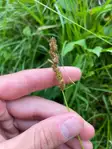
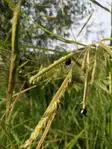
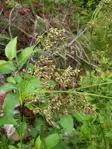
tufted hairgrass
Deschampsia cespitosa
A genus split is not a placement verdict.
Is this one for your yard?
Enter your ZIP to see whether this is legal to plant in your state, and whether it survives your winter.
Tufted hairgrass has native and introduced range shown in range evidence. One ecological invasive report supplies status context, and the evidence table marks the Deschampsia cespitosa pack limited evidence.
The distribution split, status report, and pack-depth notice remain independent. The related plants and the genus index permit comparison without turning either range category into fire support. On cespitosa, a return to the source table keeps the limited pack inspectable, while the range route retains both cited categories in its own section. The ecological entry remains status context throughout those comparisons.
- Form
- grass
- Mature height
- ~3 ft
- Water need
- high
- Rated in
- Lake Tahoe Basin, Nevada and California