Enter your ZIP to see whether this is legal to plant in your state, and whether it survives your winter.
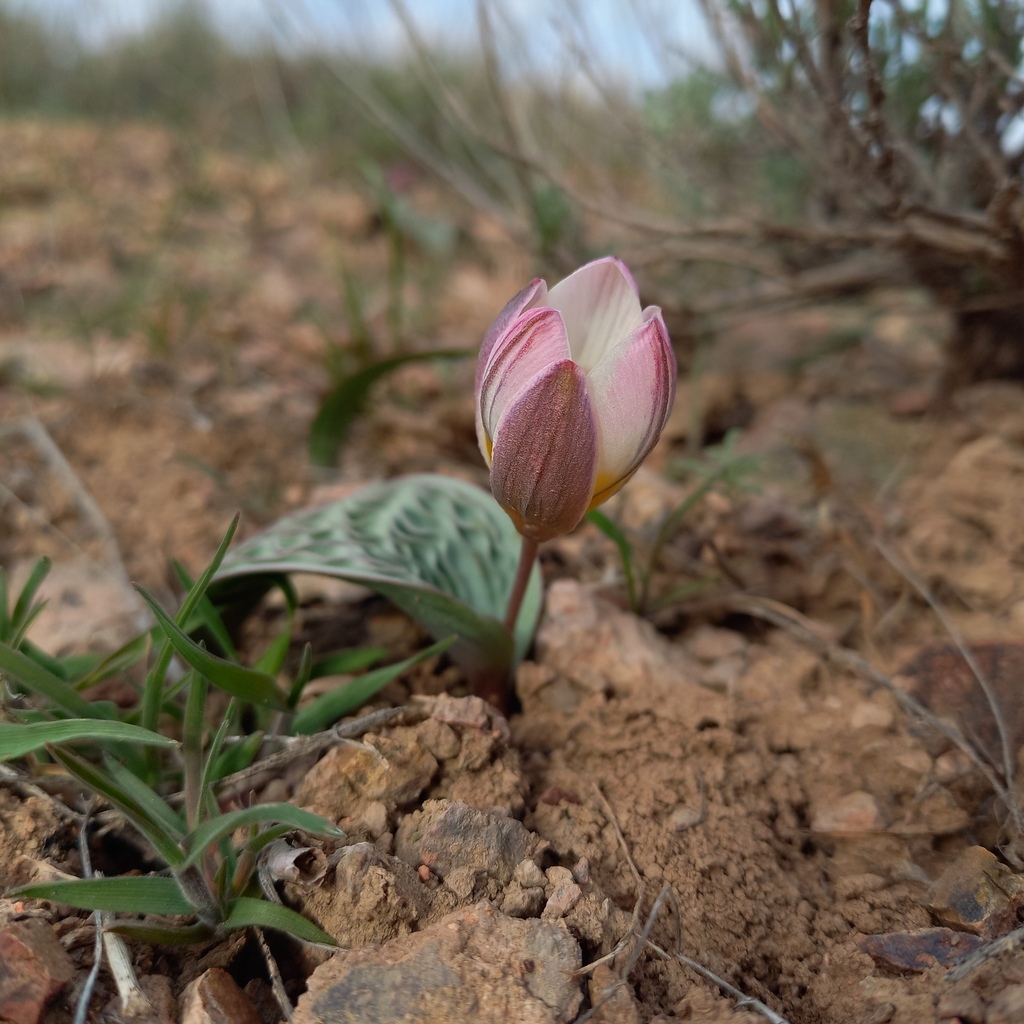
Tulip has mixed fire evidence, with favorable regional listings that retain a research flag and a care condition.
FireSmart BC includes tulip in its fire-resistant plant chart but identifies it as needing more research. That qualification belongs with its favorable listing. The plant should not be presented as having an unqualified finding from the British Columbia program.
Alaska's forestry guidance includes Tulipa among its firewise examples, conditional on appropriate placement and maintenance. The advice therefore concerns how the plant is used, as well as its presence among the examples. It does not explain or remove FireSmart BC's separate request for research.
Tulip is a perennial in the lily family. For a homeowner choosing among those plants, the two guides offer qualified support while leaving its fire resistance unsettled: one asks for further research, and the other makes its landscaping recommendation dependent on suitable placement and care.
Form
perennial
Rated in
Alaska; British Columbia
On this lot
1. Fire evidence and conditions
Fire evidence
Mixed evidence — location does not change the cited classification.
Alaska Division of Forestry opens with the wildfire threat to Alaskans and publishes Alaska firewise-landscape examples. FireApproved publishes 58 exact source owners from its 60 taxon entries and holds the taxon-free fern label. State publication scope does not establish suitability for every Alaska climate, site, or home-ignition-zone placement.
2. Why this plant is relevant here
State distribution
Documented in WA, OR, ID.
Native range
Introduced / established
USDA hardiness
3. Legal, ecological, and broader status
Legal-list status
Seed-list status
Reported invasive here
Broader regional context
Federal context
How to read this page
The status above is computed from the cited rows below: independent recommendations can support a fire-resistant result, an avoid row can produce keep-away, and disagreement stays visible as conflict. Placement notes preserve each source’s own scheme rather than translating unlike rules into one scale. This is evidence about a plant, not permission to plant it in every part of the defensible space; Zone 0 remains noncombustible.
Where its sources say to plant it
Placement rules below use each source's own distances or named zones, tied to its rating.
They are not interchangeable with the directory's current Zone 0 guidance.
Protect Your Home from Wildfire: Ground covers and perennials [Alaska DNR brochure sections] (with its recommendation)
The evidence
Grouped by what each source concluded. Primary evidence rated the plant itself
(a lab, field program, or original curation); corroboration compiled or
republished another source's rating and resolves to its root lineage.