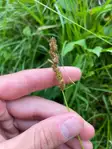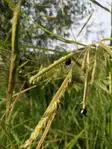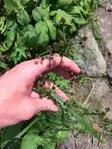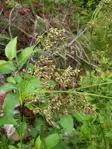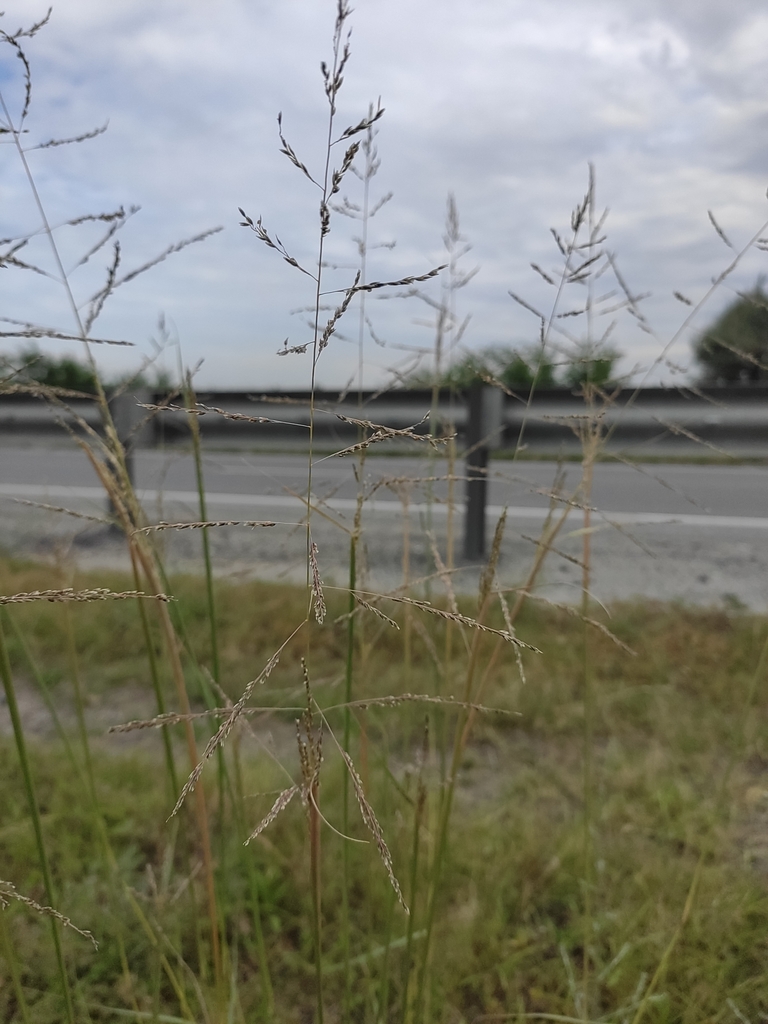
sand dropseed
Sporobolus cryptandrus
A genus split is not a placement verdict.
Is this one for your yard?
Enter your ZIP to see whether this is legal to plant in your state, and whether it survives your winter.
Sand dropseed has qualified support as fire resistant, but Idaho’s 4-of-10 score keeps the answer from being a clear yes.
Two of three sources recommend it, though under different terms. FireSmart BC attaches a needs-more-research flag to its fire-resistant approval of sand dropseed. Arizona sites above 3,000 feet are the setting for sand dropseed’s FIREWISE recommendation from the University of Arizona Cooperative Extension. Those are regional plant lists, so their recommendations apply within the settings each program addresses.
Idaho Firewise provides the caution. Its field-trial database assigns sand dropseed 4 of 10 for fire resistance. CSU’s published thresholds for this scale place 4–7 in the mixed band and 8–10 in the recommended band. That does not erase the two favorable listings, but it does explain why sand dropseed does not earn an unqualified fire-resistant verdict.
Sand dropseed is a low-water grass that reaches about three feet at maturity. Hardy to USDA zone 3a, sand dropseed is native in the southeastern, southwestern, northwestern, and northeastern United States. The practical reading is conditional: regional programs in British Columbia and higher-elevation Arizona accept it, but the Idaho score supports treating its fire resistance as unsettled rather than assured.
- Form
- grass
- Mature height
- ~3 ft
- Water need
- low
- Rated in
- Arizona above 3,000 feet / interior Southwest; British Columbia; southern Idaho / Intermountain