Current native
28
exact source areas
Home / Plants / Grow / Pussy willow
Salix discolor
Your local evidence lens
A genus split is not a placement verdict. Set a ZIP to read the local documented split.
The status above is computed from the cited rows below: independent recommendations can support a fire-resistant result, an avoid row can produce keep-away, and disagreement stays visible as conflict. Placement notes preserve each source’s own scheme rather than translating unlike rules into one scale. This is evidence about a plant, not permission to plant it in every part of the defensible space; Zone 0 remains noncombustible.
These are exact U.S. botanical-area records from the cited range source. Native and introduced describe biogeographic relationship, not fire performance or planting approval. Doubtful and extinct rows stay visible but do not count as current presence.
Current native
exact source areas
Current introduced
exact source areas
Qualified
doubtful or extinct source rows
Eastern United States Fire Performance Plant Selector
Source prints 5 · single-value meaning unresolved
USDA PLANTS Database — Plant Characteristics
Minimum 3b · no upper limit documented
Eastern United States Fire Performance Plant Selector
“Firewise (1)”
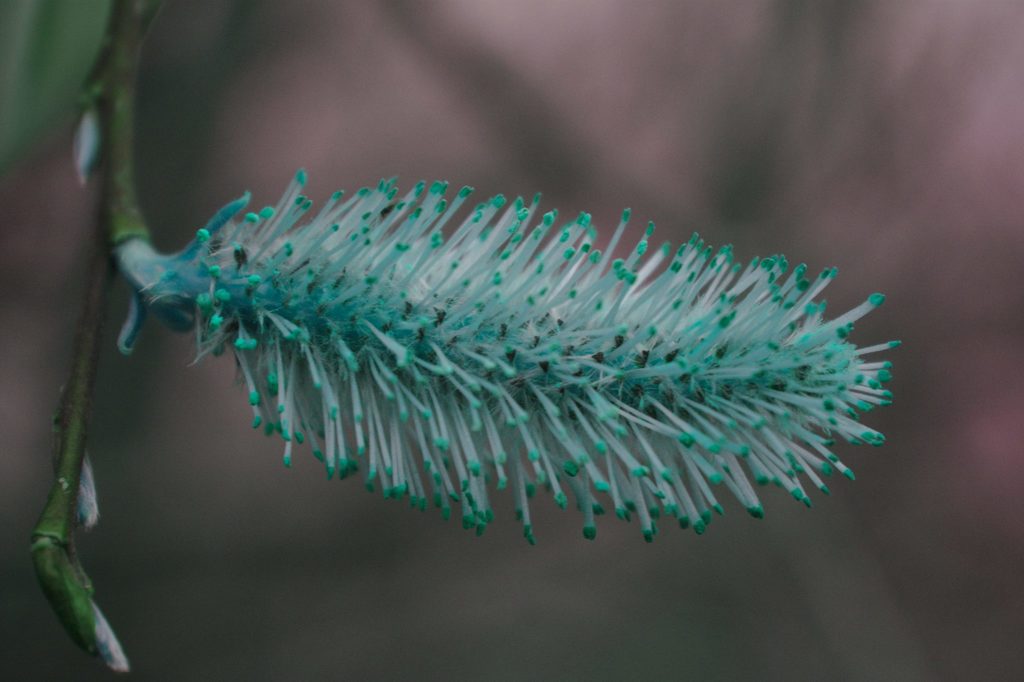
"Fuzzy" gray buds in spring hence its common name pussy willow.
Firewise Landscaping (OSU Extension Bulletin 921)
“L flammability”
Tolerates poorly drained soils; disease sensitive; short lived.
Virginia Firescapes — Firewise Landscaping for Woodland Homes (430-300)
“L flammability”
Tolerates poorly-drained soils. Short lived.
Firewise Landscaping Plants (Maryland, New Jersey, and West Virginia editions)
“relatively resistant to fire”
Listed as Salix discolor (Pussywillow). The source says listed species exhibit stronger resistance to ignition by wildfires. Source comments: Tolerates poorly drained soil. Short lived
Maine fire-resistant plant list
“listed as fire-resistant for landscaping 30-100 feet from a structure”
Maine Forest Service includes Pussy willow (Salix discolor) on its partial fire-resistant plant list for landscaping 30-100 feet from a structure. The printed scientific name is a unique current-name match to this record.