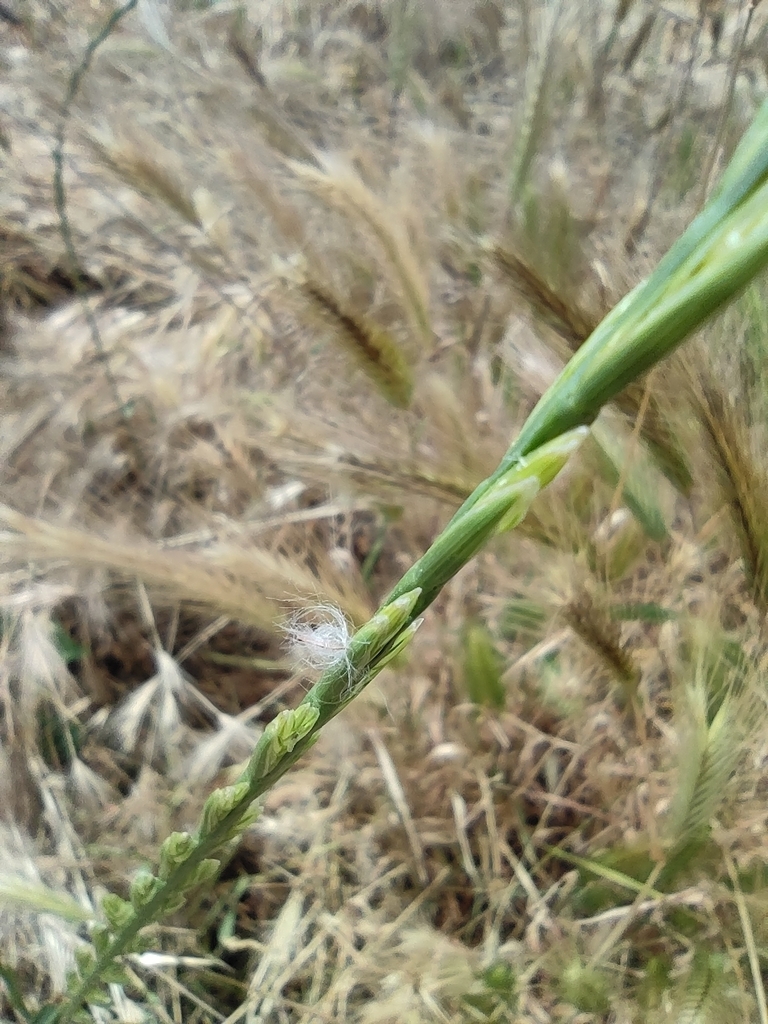
perennial ryegrass
Lolium perenne
A genus split is not a placement verdict.
Is this one for your yard?
Enter your ZIP to see whether this is legal to plant in your state, and whether it survives your winter.
Perennial ryegrass is rated fire resistant, though brown, unmown grass should not be treated that way.
Idaho Firewise gave perennial ryegrass 10 out of 10 in a field-trial system, the top of its fire-resistance scale and a score mapped to a minimum planting distance of 10 feet. FireSmart BC also approves it as a fire-resistant plant. Colorado State preserves a 10 of 10 ignitability score, within the range it recommends for defensible-space zones, but credits the Idaho materials as the basis for its scoring. Nevada’s extension service also includes the grass in a compilation requiring favorable treatment by at least two named western sources.
The main caution comes from the Lake Tahoe landscaping guide. It rates perennial ryegrass “low” for fire hazard, while describing its ratings as rough estimates rather than results of scientific trials. The guide also warns that plants which turn brown often become high fire hazards and directs homeowners to mow grasses when browning begins.
Perennial ryegrass is a high-water grass growing about 1.3 feet tall at maturity. Its favorable rating is therefore best understood as a case for green, maintained grass, not permission to leave dry growth standing. The sources agree on the fire-resistant verdict, but much of that agreement traces back to compiled guidance or the Idaho scoring rather than separate trials.
- Form
- grass
- Mature height
- ~1.3 ft
- Water need
- high
- Rated in
- British Columbia; Colorado / Rocky Mountain Front Range; Lake Tahoe Basin, Nevada and California; Nevada / Great Basin +1