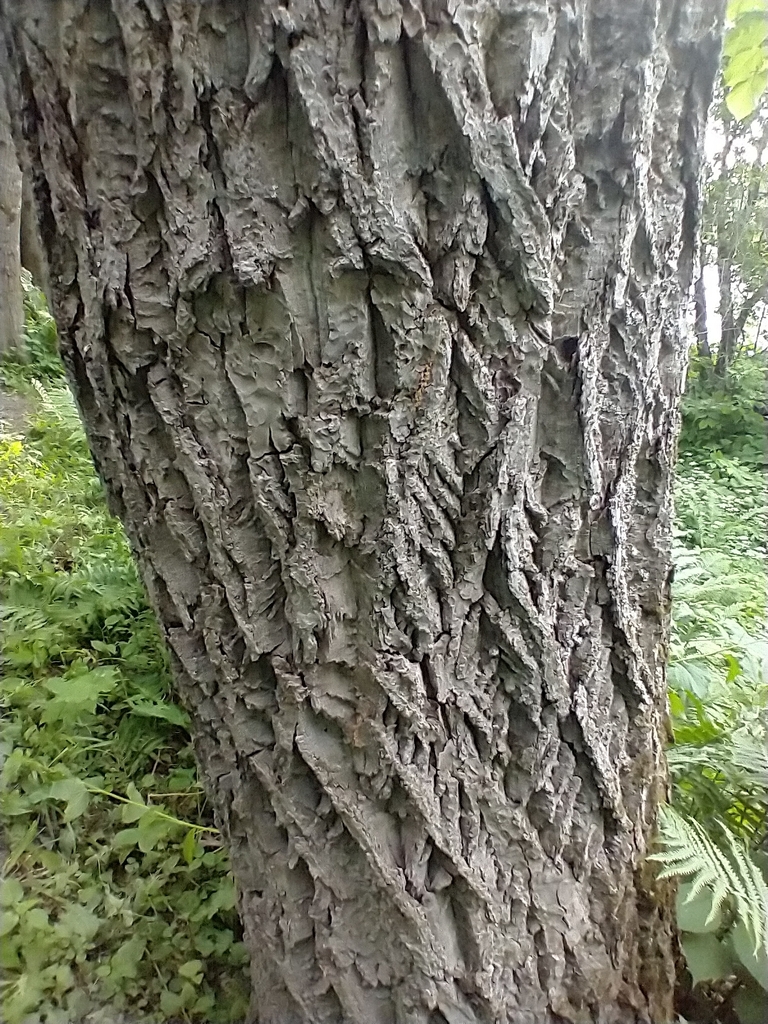
butternut
Juglans cinerea
A genus split is not a placement verdict.
Is this one for your yard?
Enter your ZIP to see whether this is legal to plant in your state, and whether it survives your winter.
Yes, butternut is rated fire resistant, although the primary evidence supporting that label is limited.
Five sources point in the same practical direction. The USDA Forest Service and state Firewise programs give butternut a Firewise rating of 1, the strongest category on their four-point scale. Ohio State University Extension rates it low in flammability on a five-band scale, while Virginia Cooperative Extension and Virginia Tech rate it low on their three-point scale. NFPA Firewise Communities also includes butternut among the plants homeowners can choose for Firewise landscaping.
FireSmart BC likewise names butternut a FireSmart-approved fire-resistant plant while flagging it as needing more research. The flag qualifies the certainty of the approval rather than reversing it. These sources use different scales and forms of curated guidance, yet they arrive at the same recommendation. That agreement makes fire resistance a reasonable landscaping classification, while the research caution argues against reading it as a guarantee.
Native to the southeastern, northeastern, and north-central United States, butternut is hardy to USDA zone 5a. This tree in the family Juglandaceae reaches about 25 feet at maturity and grows in full sun with moderate water. Its consistent ratings support choosing it as a fire-resistant plant, with FireSmart BC’s research flag kept in view.
- Form
- tree
- Mature height
- ~25 ft
- Light
- Full sun
- Water need
- moderate
- Rated in
- Arkansas; British Columbia; Ohio / Midwest; Virginia / Mid-Atlantic +1