United States / Grow / Dianella
Dianella
Dianella flax-lilies have fire-retardant listings, with a limit that matters: the plants may burn after drying out.
Australian Plants Society Victoria lists Dianella tasmanica, Dianella revoluta, and Dianella longifolia as fire retardant. The society uses that term for plants that resist the first wave of a bushfire but can burn once dry. Its lists draw on members’ experiences during fires; they are not presented as a set of identical laboratory tests.
The same source warns that even these plants will not protect a property during an extreme bushfire. That limits the meaning of the favorable listing rather than contradicting its initial-flame distinction.
Fire and Emergency New Zealand separately gives Dianella nigra a low-flammability classification. The sources differ in both the species named and how they describe fire performance. For Dianella, a favorable classification or listing should stay attached to its botanical name and source conditions, rather than becoming a promise that every flax-lily will resist sustained fire.
Fire-resistant: 7 species
-
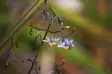 blue berry flax-lily Fire-resistant Dianella tasmanica
 -
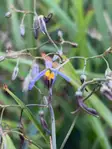 Black-anther Flax-lily Fire-resistant Dianella revoluta
 -
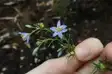 blue flax-lily Fire-resistant Dianella longifolia
 -
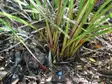 blueberry Fire-resistant Dianella nigra
 -
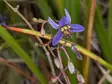 Coast Flax-Lily Fire-resistant Dianella brevicaulis
 -
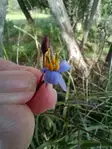 Dianella callicarpa Fire-resistant Dianella callicarpa
 -
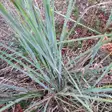 Dianella tarda Fire-resistant Dianella tarda
Awaiting evidence: 2 species
- cerulean flaxlily Awaiting evidence Dianella caerulea
- Dianella prunina Awaiting evidence Dianella prunina
About Dianella
Directory notes
More about Dianella: Wikipedia — external references; not evidence sources.
Where rated Dianella grow