United States / Grow / Citrus
Citrus
Most assessed citrus plants are rated fire resistant, but lemon remains genuinely contested, so the genus does not receive a blanket yes.
Three of four assessed citrus members are rated fire resistant. Finger-lime and tangerine receive that verdict on a handful of assessments, while sweet orange receives it on two listings. The live Canberra Plant Selector marks tangerine and sweet orange as fire retardant. Finger-lime is rated recommended by a garden-suitability method that assumes species-specific care and considers fire evidence, fuel structure, maintenance, origin, and invasiveness.
Lemon is the most-studied member of the genus, with a substantial body of assessment behind its contested verdict. One assessment classifies its flammability as low to moderate, yet the overall findings still conflict. Lemon therefore prevents a simple genus-wide answer, but its dispute does not erase the resistant ratings given to the other three assessed members.
Citrus are trees in the Rutaceae family. The two measured members mature at about 20 to 30 feet, and the two zoned members span USDA zones 8a to 8b. For a homeowner, the useful distinction is between species: finger-lime, tangerine, and sweet orange have resistant ratings, while lemon needs to be judged on its own conflicting assessments.
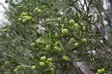 Rated as a group: finger-lime Citrus spp. Fire-resistant Limited evidence 7 sources rate the genus as a
whole. Species evidence never rolls upward into a genus verdict, and genus claims never
override a species record.
›
Rated as a group: finger-lime Citrus spp. Fire-resistant Limited evidence 7 sources rate the genus as a
whole. Species evidence never rolls upward into a genus verdict, and genus claims never
override a species record.
› Fire-resistant: 2 species
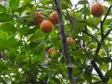
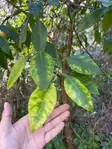
Documented conflict: 1 species

About Citrus
Directory notes
More about Citrus: Wikipedia — external references; not evidence sources.