United States / Grow / Teas
Teas
Camellias have mixed fire evidence: sasanqua receives opposing assessments, while Japanese camellia is rated highly flammable in Virginia.
The ACT Government’s Canberra Plant Selector marks Camellia sasanqua as fire retardant. Virginia Cooperative Extension puts that same species in its high-flammability category. The sources disagree about sasanqua itself, so identifying the plant correctly does not make the two assessments agree. The favorable label belongs to the Canberra tool; it is not a description shared by both programs.
Virginia also gives Camellia japonica a high-flammability grade. Its comments on both species warn of winter injury and limit their use to warmer climates. Those cold-tolerance qualifications describe a different constraint from the fire grade, and apply to the two named camellias.
Camellias belong to the Theaceae family and can grow as shrubs or trees. For a fire-conscious choice, the useful distinction is the particular species and the regional assessment behind its rating. A camellia label alone supplies neither a uniform grade nor agreement between sources.
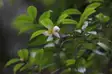 Rated as a group: tea Camellia sp. Documented conflict Disputed 5 sources rate the genus as a
whole. Species evidence never rolls upward into a genus verdict, and genus claims never
override a species record.
›
Rated as a group: tea Camellia sp. Documented conflict Disputed 5 sources rate the genus as a
whole. Species evidence never rolls upward into a genus verdict, and genus claims never
override a species record.
› Fire-resistant: 1 species
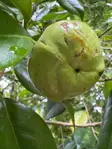
Keep away: 1 species
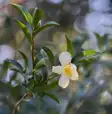
Awaiting evidence: 2 species
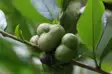
About teas
Directory notes
More about Camellia: Wikipedia — external references; not evidence sources.