Enter your ZIP to see whether this is legal to plant in your state, and whether it survives your winter.
Hangehange is rated fire resistant, although that verdict rests on limited laboratory evidence.
Fire and Emergency New Zealand classifies the shrub as having very low flammability. That is the lowest of seven classes used across 402 species, based on shoot-flammability testing at Lincoln University. Very low, low, and low-moderate classifications all support a fire-resistant recommendation under this system.
The International Journal of Wildland Fire also places hangehange in a low-flammability category. Its study sorted 60 tree and shrub species into six clusters using measurements of shoot flammability. The hangehange samples were air-dried for 24 hours before testing, so the finding describes prepared shoots under the study conditions. It does not establish how every whole shrub will behave in every fire.
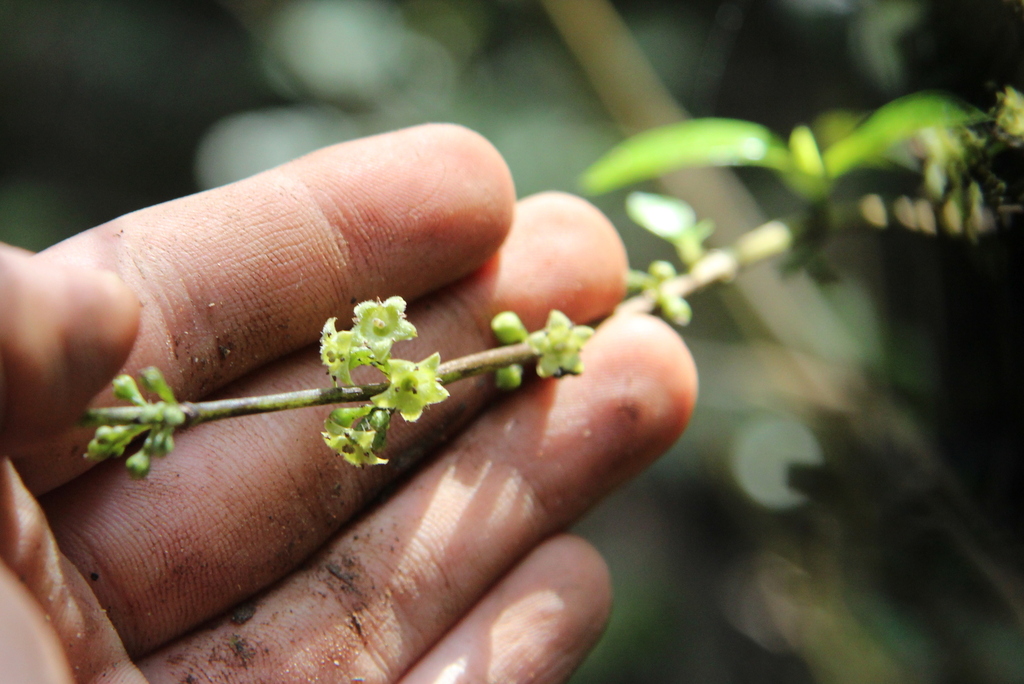
Hangehange, or Geniostoma ligustrifolium, is a shrub in the Loganiaceae family. The two classifications use different scales, but both put its tested material at the low end for flammability. That supports choosing hangehange as a fire-resistant plant while keeping the strength of the conclusion in proportion to the limited primary evidence.
Form
shrub
Region
New Zealand
Rated in
New Zealand
On this lot
1. Fire evidence and conditions
Fire evidence
Fire-resistant — location does not change the cited classification.
Fire-performance conditions
Fire ecology context
Placement evidence
Evidence regions
New Zealand
Maintenance
2. Why this plant is relevant here
State distribution
Native range
Introduced / established
USDA hardiness
3. Legal, ecological, and broader status
Legal-list status
Seed-list status
Reported invasive here
Broader regional context
Federal context
How to read this page
The status above is computed from the cited rows below: independent recommendations can support a fire-resistant result, an avoid row can produce keep-away, and disagreement stays visible as conflict. Placement notes preserve each source’s own scheme rather than translating unlike rules into one scale. This is evidence about a plant, not permission to plant it in every part of the defensible space; Zone 0 remains noncombustible.
The evidence
Grouped by what each source concluded. Primary evidence rated the plant itself
(a lab, field program, or original curation); corroboration compiled or
republished another source's rating and resolves to its root lineage.
Recommends (2)
Low Flammability Plants directory — Fire and Emergency New Zealand (plant flammability testing at Lincoln University) · 2026 · original sourcePrimary evidenceLab-testedlineage: lincoln-nz-tree